
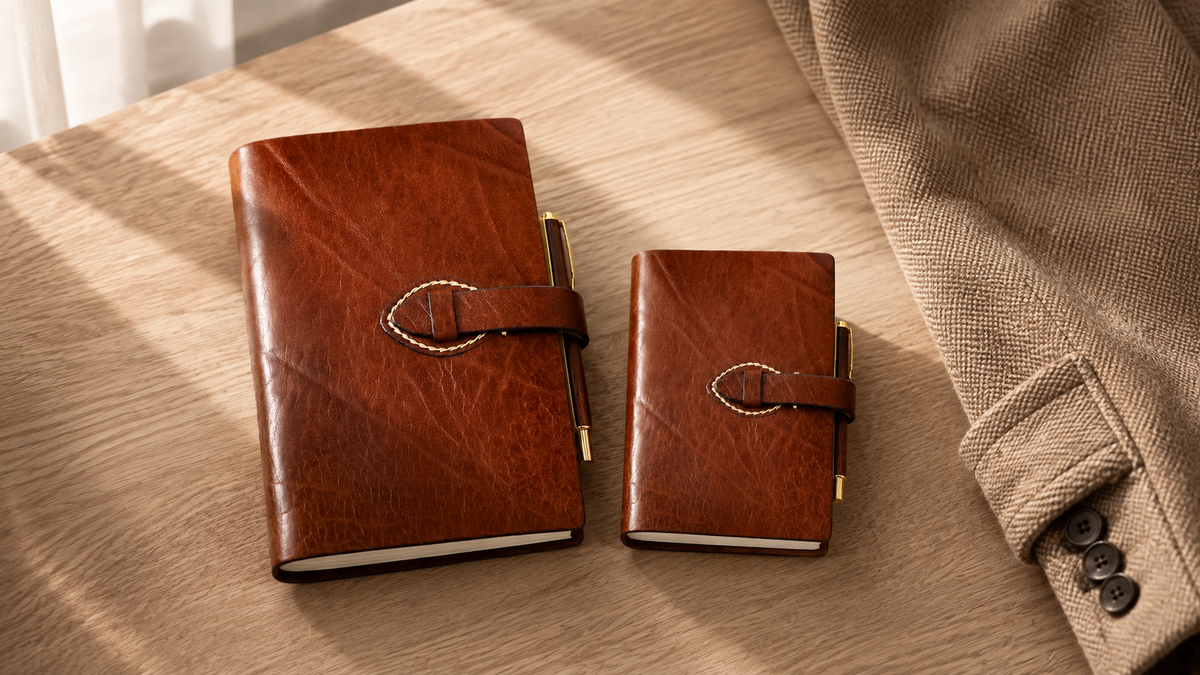
A5 vs A6 Leather Journals: Size & Use
A5 gives you more room for writing; A6 takes up less space in a bag. The standard paper sizes are A5 at 148 × 210 mm and A6 at 105 × 148 mm. These are sheet dimensions, not the outside measurements of a finished leather cover. Always compare the product’s exterior size and refill system separately.
The size difference at a glance
| Question | A5 | A6 |
|---|---|---|
| Standard sheet size | 148 × 210 mm | 105 × 148 mm |
| Writing space | Roughly twice the area of A6 | Roughly half the area of A5 |
| Typical preference | Longer notes, journaling, study and planning | Short notes, lists and compact carry |
| What still varies | Cover dimensions, thickness, binding and paper | Cover dimensions, thickness, binding and paper |
Choose A5 for a longer writing session
A5 offers more line length and more space for headings, lists and diagrams on the same page. It is useful when a journal stays on a desk during work or when you write several paragraphs at once. Larger handwriting, project notes and layouts with multiple sections can feel less constrained.
The tradeoff is the finished item’s footprint. A leather cover, strap, pen loop or binder mechanism can make the product substantially larger than the nominal sheet size. Check the external dimensions against the compartment where you intend to carry it.
Choose A6 for short notes and smaller bags
A6 can suit reminders, addresses, quick observations and lists. A smaller page encourages concise entries and leaves more room for other items in a bag. It is not automatically pocket-sized once a leather cover and accessories are added, so measure the actual space rather than relying on the A6 label.
If you regularly sketch broad diagrams or write long entries, the smaller page may mean more page turns or tighter handwriting. Try folding ordinary paper to the two sizes and writing a sample paragraph before choosing.
Size does not tell you how refills work
An A5 folio that holds a notebook, an A5 six-ring binder and an A5 traveler’s notebook can use different inserts. Matching the label is only the first check. Compare sheet or notebook dimensions, hole positions, binding method and the thickness the cover can hold comfortably.
Bygone Mark’s A5 writing folio and A6 writing folio are useful starting points for comparing these formats. The A5 six-ring strap journal is a different system, with removable individual sheets. Its listed exterior dimensions are 23.3 × 17.5 cm; they are not the dimensions of an A5 sheet.
Paper and binding can matter more than size
Check whether you want lined, blank, dotted or grid pages, and whether the included paper suits your writing instrument. A GSM number describes paper mass per area; it does not establish ink performance by itself. If fountain-pen behavior matters, look for a specific writing sample or test a small area before committing an important entry.
Also decide whether completed pages should stay bound together or move into an archive. A smaller refillable journal and a larger bound journal solve different problems even when both are comfortable to carry.
Choosing as a gift
Look at the recipient’s current notebook and bag. A familiar size is usually a more grounded starting point than a generic “best size” recommendation. Check the selected item’s engraving options, then compare the leather journal collection. If the refill system is the main uncertainty, read the refillable-versus-bound guide before choosing.







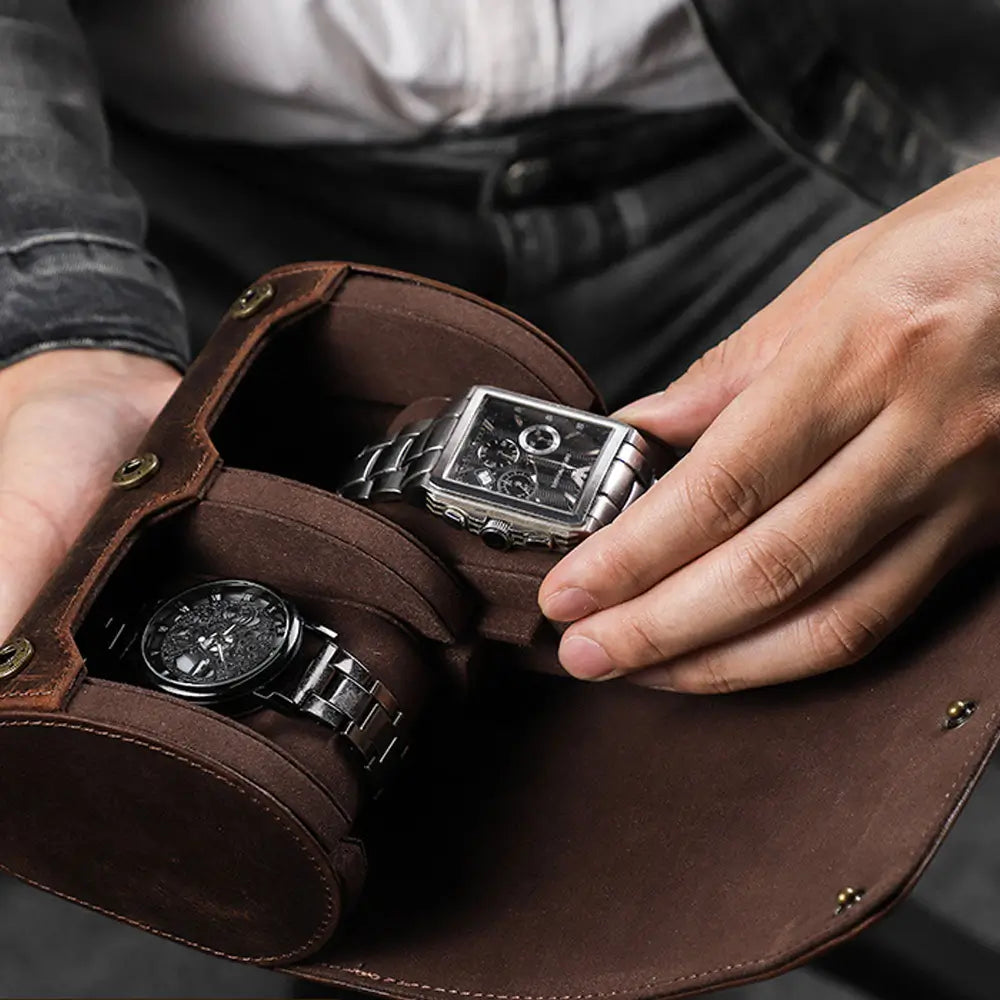
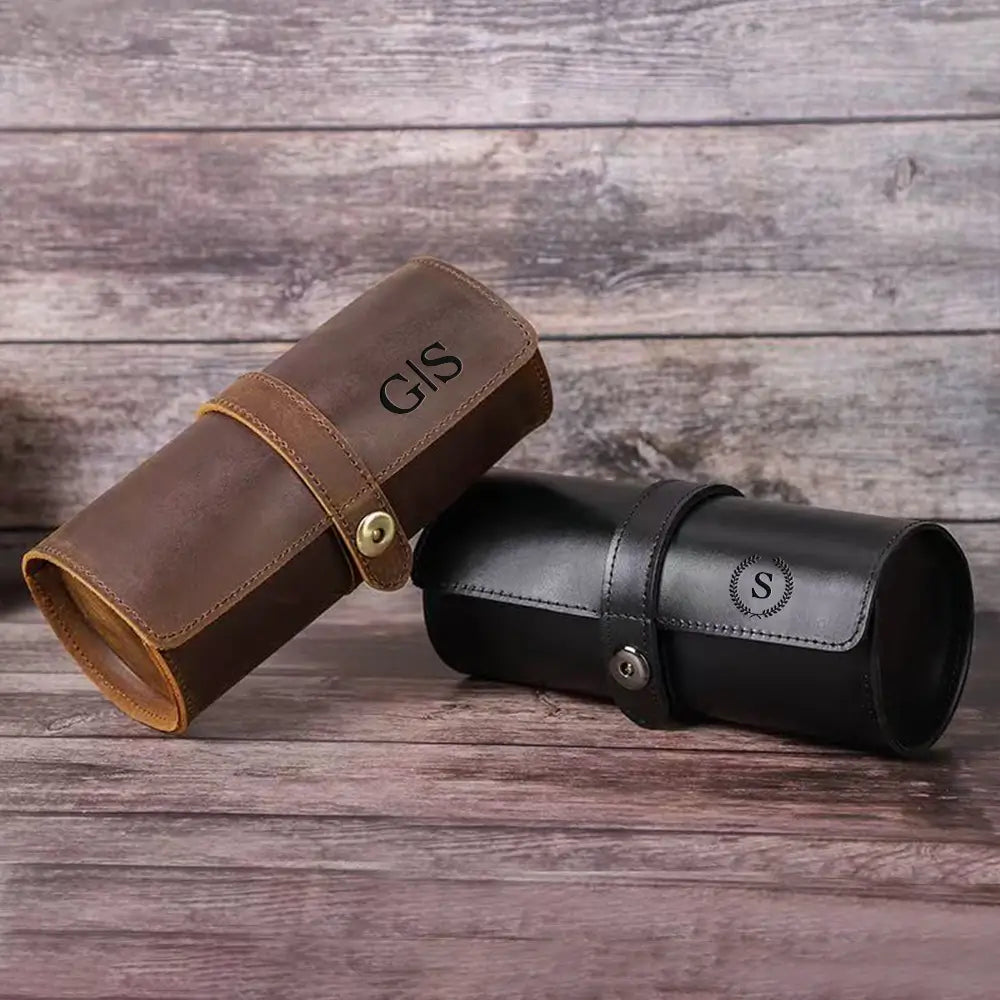
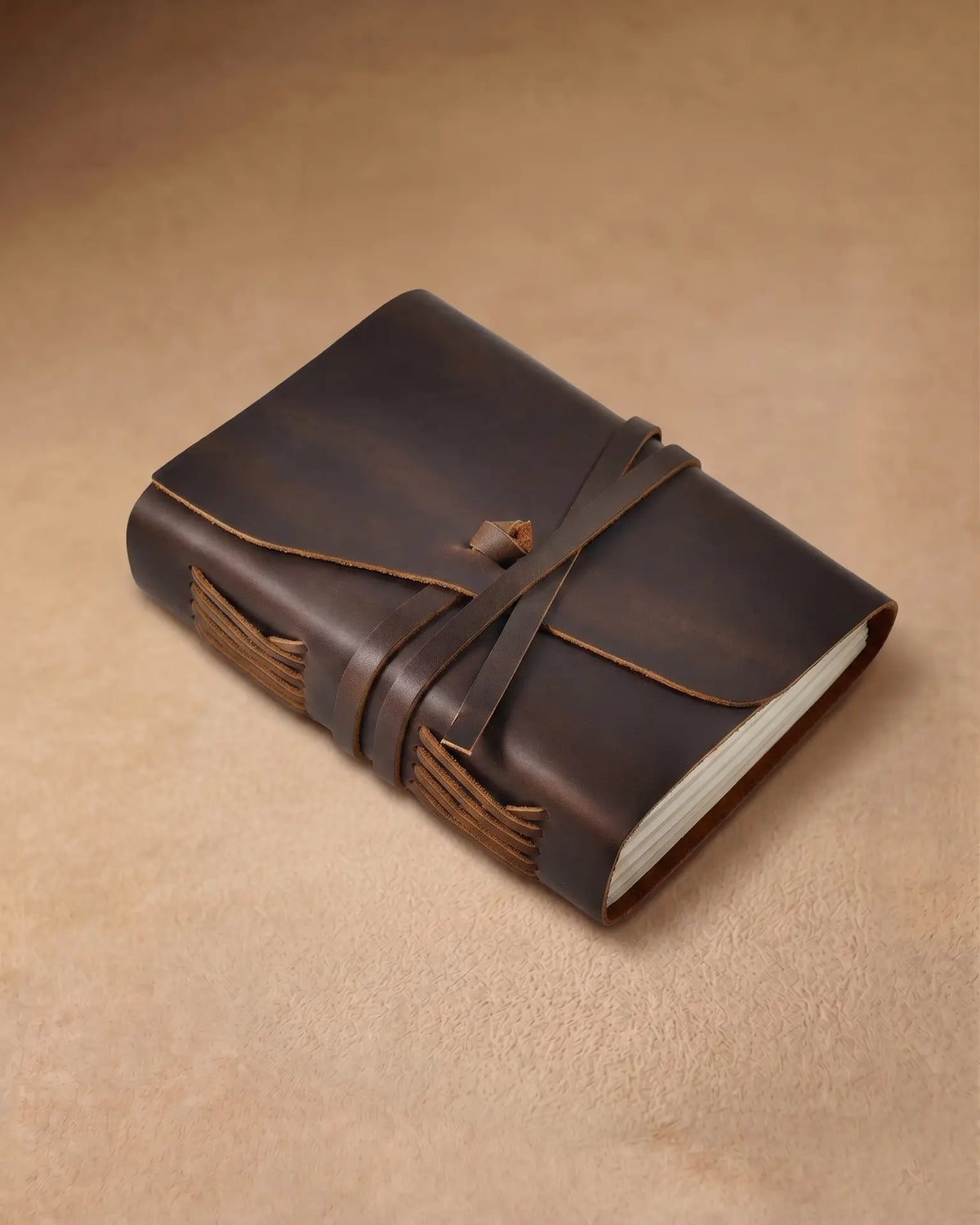
Journey Wrap Triple Watch Roll
Legacy Rivet Triple Watch Roll
 Dark Brown
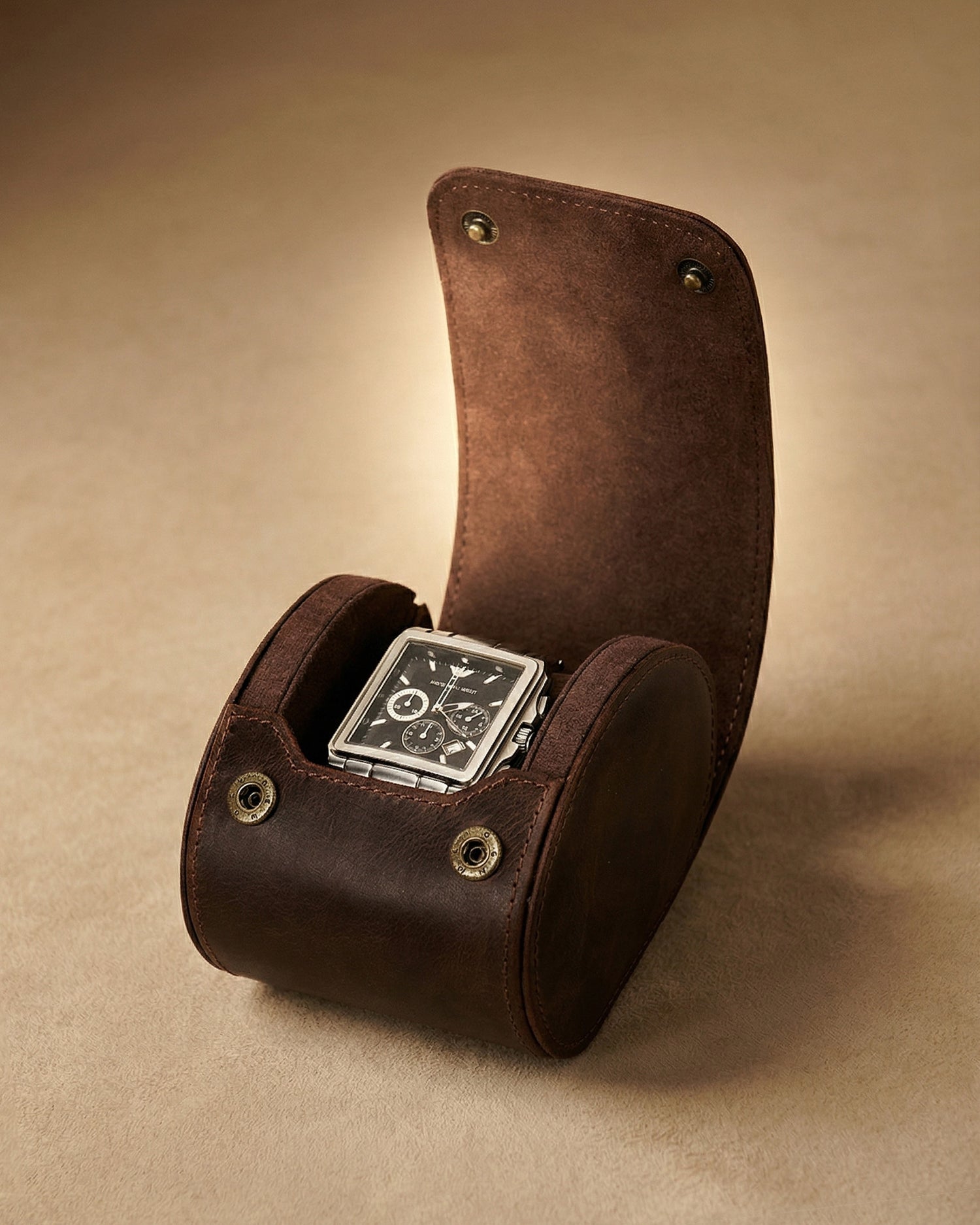
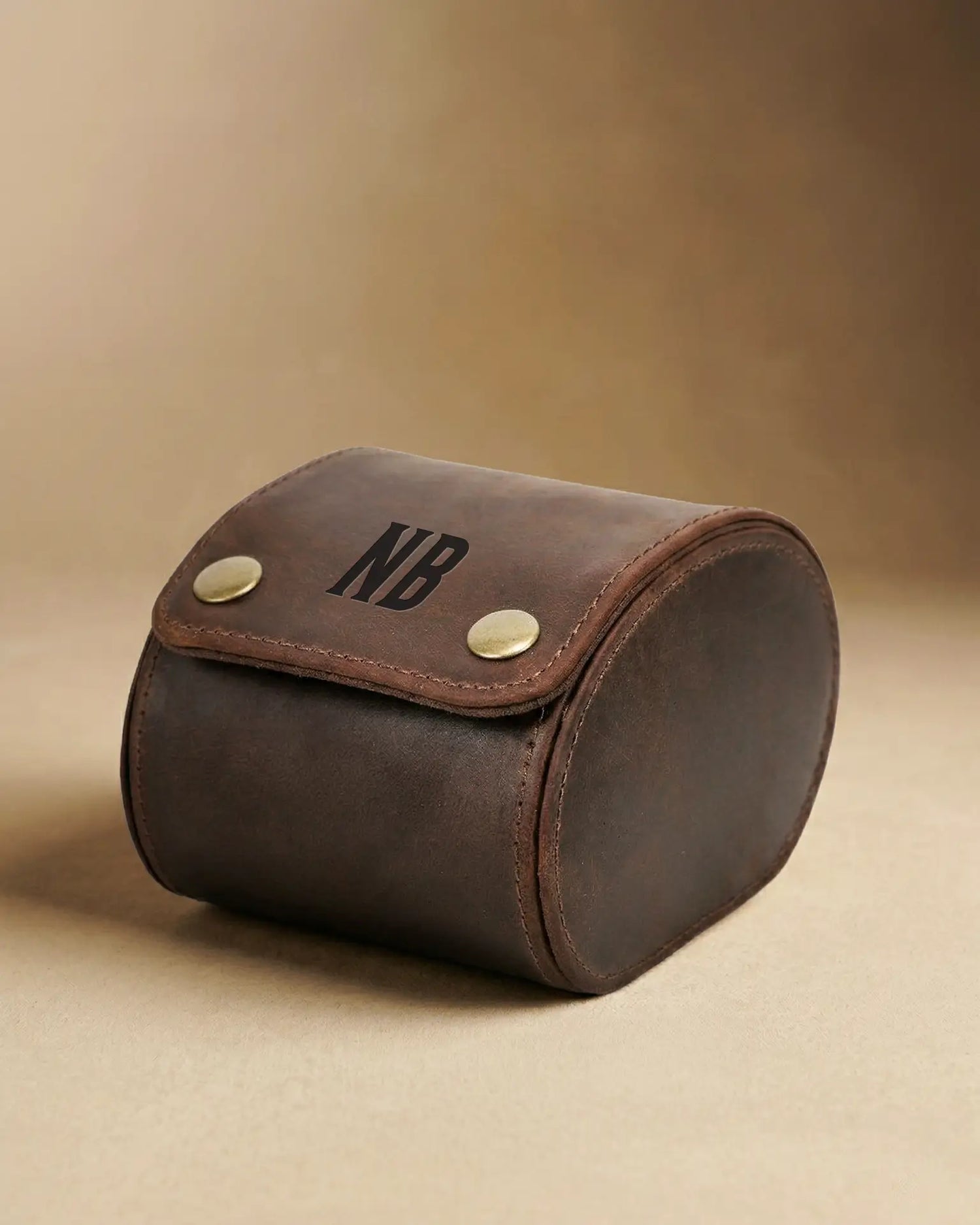
Legacy Rivet Single Watch Roll
Dark Brown
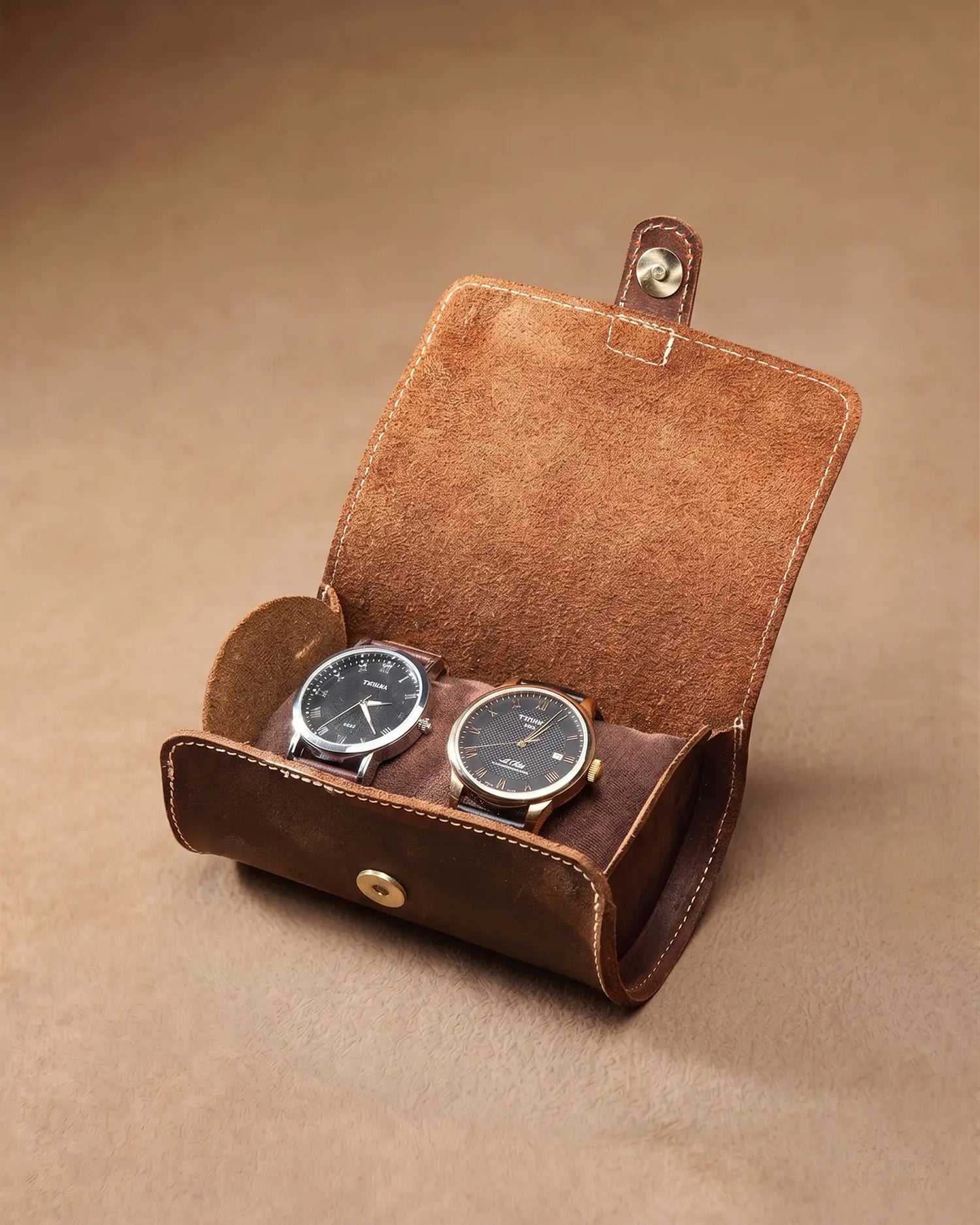
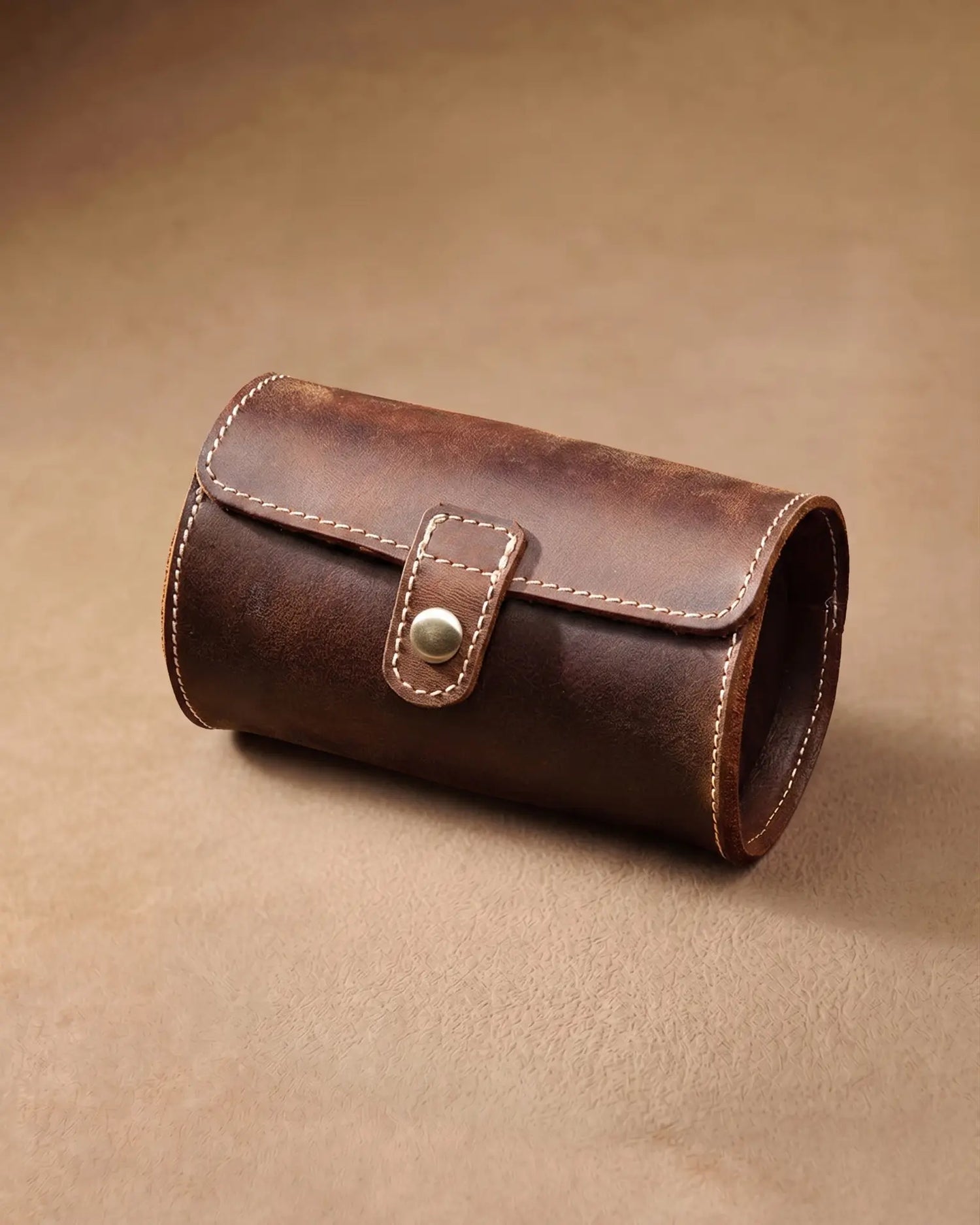
Journey Wrap Double Watch Roll
More Leather Guides
Explore practical guides to choosing, using and caring for leather goods.

Custom Leather Bookmark Guide: Thickness, Engraving and Magnet Options

Magnetic Bookmark With Pen Holder: Who It Is For and How to Use It
