Leather Care Guide

How to Keep Your Leather Beautiful for a Lifetime

Quality leather is a living material. Unlike synthetic alternatives that deteriorate over time, genuine leather develops character and beauty with age. With proper care, your BygoneMark leather goods will last decades—even generations.

This guide covers everything you need to know about caring for the three types of leather we use: Crazy Horse Leather, Vegetable-Tanned Leather (Tree Paste), and Full-Grain Cowhide.


Understanding Your Leather

Before diving into care instructions, it's important to understand what makes each leather type unique.

Crazy Horse Leather

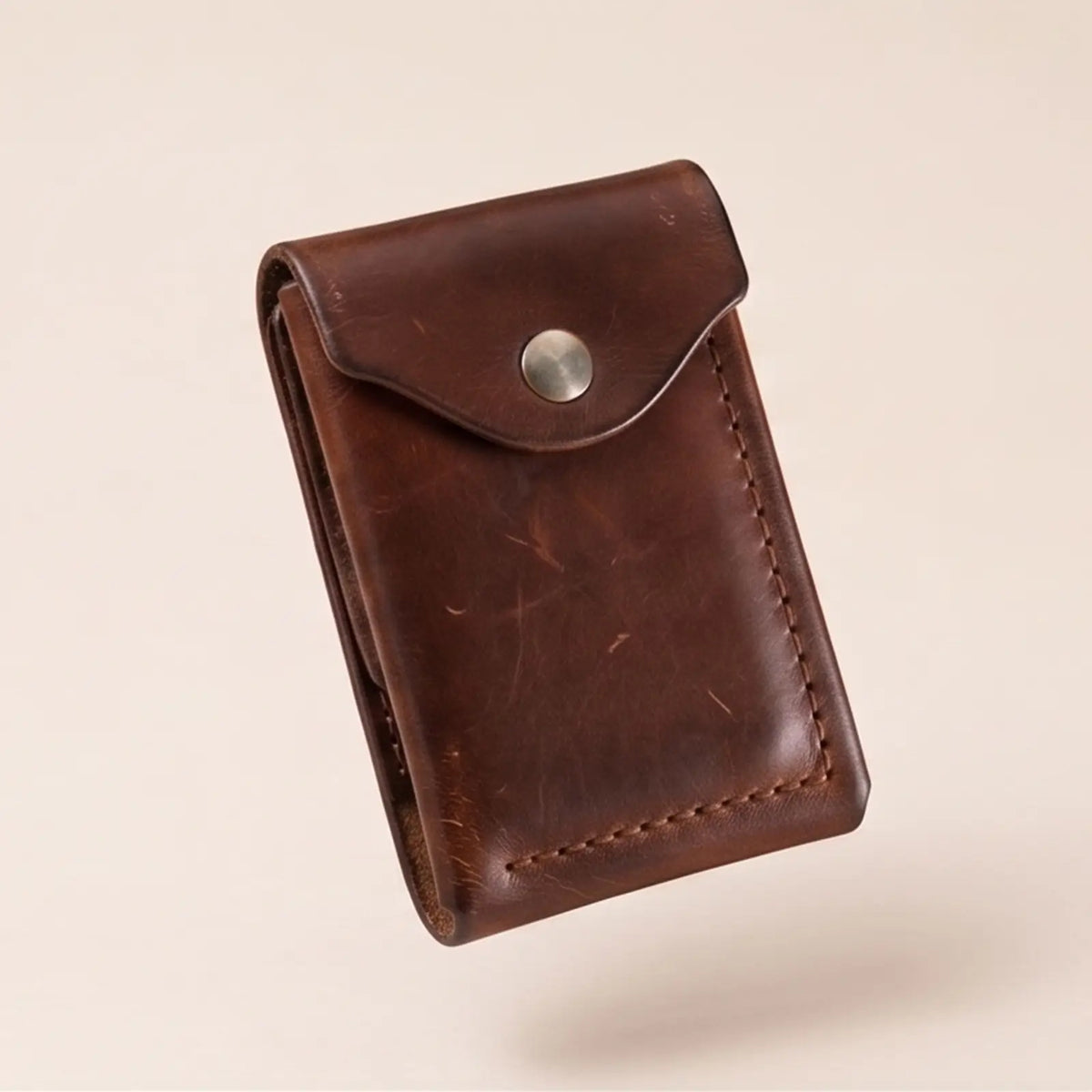
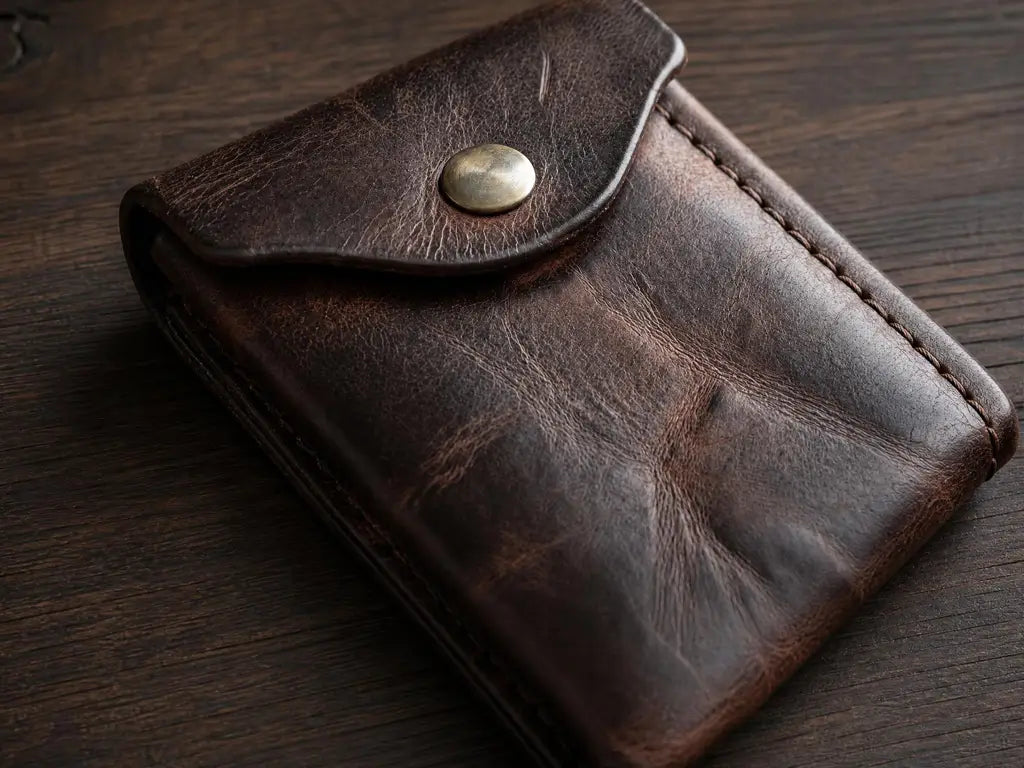
What it is: Full-grain cowhide leather that has been treated with a special wax finish. Originally developed for equestrian use, it's known for its rugged durability and distinctive "pull-up" effect.

Key characteristic: When you scratch or bend the leather, the color lightens in that area. This is called the "pull-up effect" and is a sign of authenticity, not a defect.

Aging: Develops a rich, unique patina over time. Scratches and marks blend naturally into the surface, creating character that's uniquely yours.

Vegetable-Tanned Leather (Tree Paste Leather)

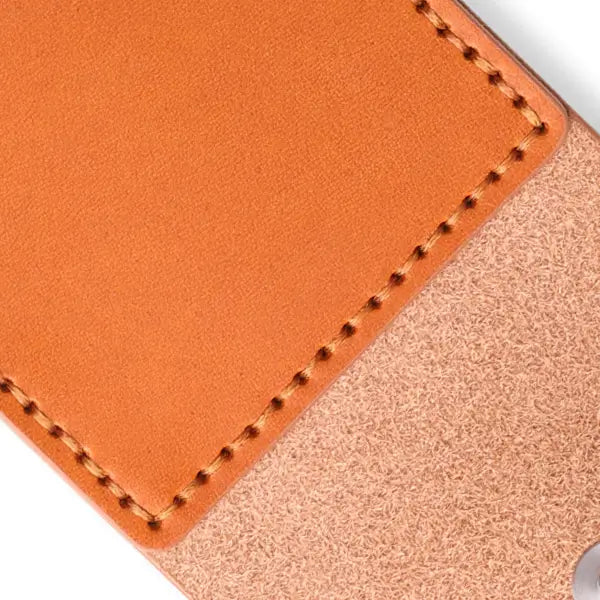
What it is: Leather tanned using natural plant-based tannins from tree bark, leaves, and other organic materials. This is the oldest and most traditional tanning method, dating back thousands of years.

Key characteristic: Smooth, firm surface that produces exceptionally sharp and clear engravings. Eco-friendly and biodegradable.

Aging: Develops a beautiful honey-brown patina with sun exposure and use. The color deepens and enriches over time, making each piece truly one-of-a-kind.

Full-Grain Cowhide Leather

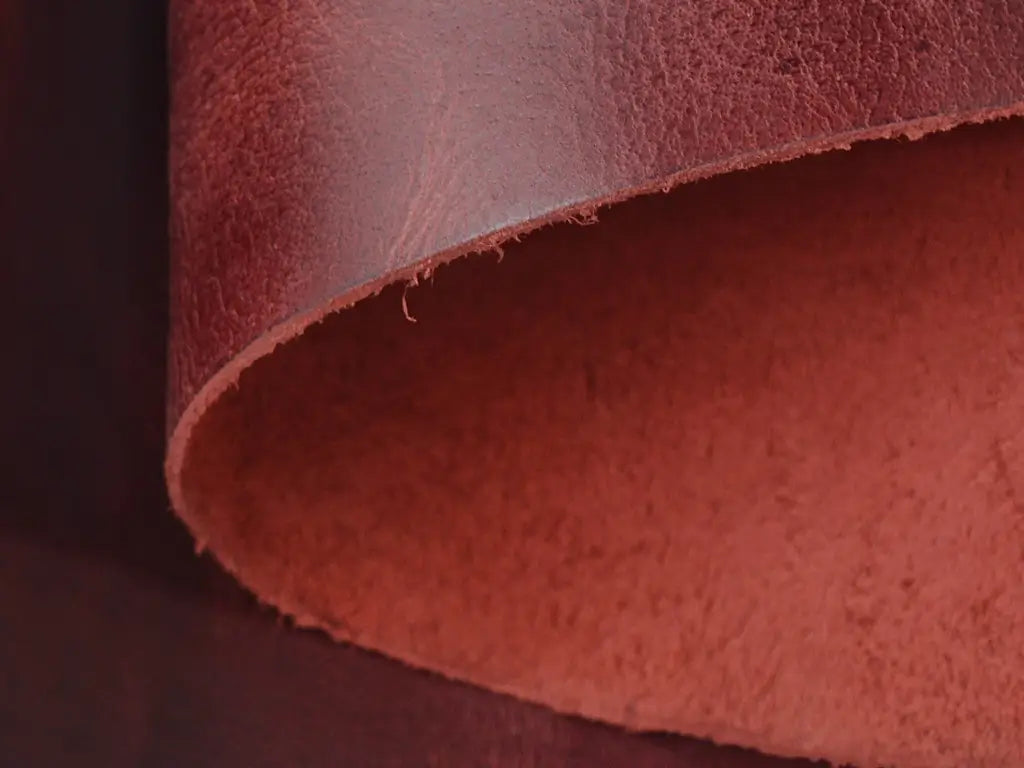
What it is: The highest quality leather available. Made from the top layer of the hide with the natural grain intact. No sanding, buffing, or artificial texture—just pure leather.

Key characteristic: You can see natural markings, subtle variations, and the original grain pattern. These are signs of authenticity, not imperfections.

Aging: Becomes softer and more supple with use while developing a rich patina. The most durable leather type—built to last generations.


Daily Care: Simple Habits That Matter

The best leather care is prevention. These simple daily habits will keep your leather looking beautiful:

✅ Do:

  • Use it regularly. Leather thrives on use. The natural oils from your hands help condition it.
  • Store in a cool, dry place. Avoid extreme temperatures and humidity.
  • Let it breathe. Store in a cloth bag or open shelf—never sealed plastic.
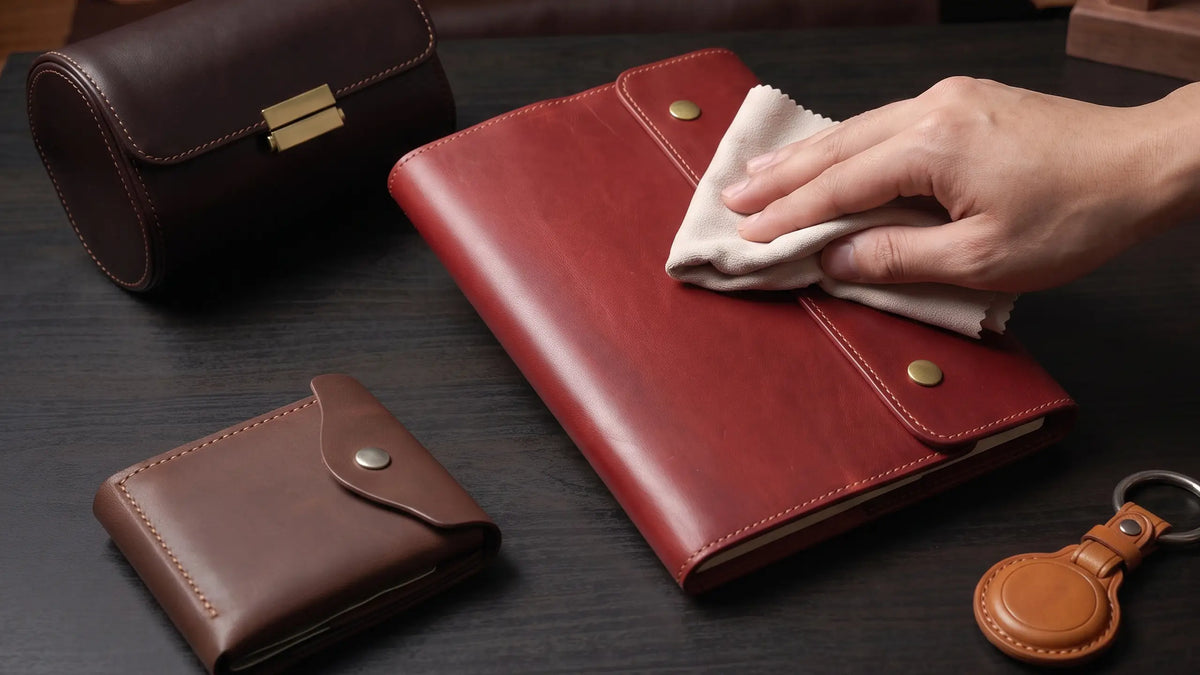
  • Wipe with a dry, soft cloth. A gentle wipe removes dust and light dirt.
  • Embrace the patina. Scratches and marks add character—they're part of the journey.

❌ Avoid:

  • Direct sunlight for extended periods. Can cause fading and drying.
  • Heat sources. Keep away from radiators, heaters, and hot car interiors.
  • Water saturation. Light moisture is okay; soaking is not.
  • Harsh chemicals. No alcohol, acetone, or household cleaners.
  • Plastic bags. Traps moisture and can cause mold or mildew.

Cleaning Your Leather

Light Cleaning (Monthly)

  1. Use a soft, dry cloth to wipe away dust and surface dirt.
  2. For stubborn spots, slightly dampen the cloth with water (not wet, just damp).
  3. Wipe gently in the direction of the grain.
  4. Allow to air dry completely before use or storage.

Deep Cleaning (As Needed)

  1. Mix a small amount of mild soap (like saddle soap or castile soap) with water.
  2. Dampen a soft cloth with the solution—wring out excess water.
  3. Gently clean the leather surface in circular motions.
  4. Wipe with a clean, damp cloth to remove soap residue.
  5. Allow to air dry completely (away from direct heat or sunlight).
  6. Apply leather conditioner once fully dry.

Conditioning Your Leather

Conditioning replenishes the natural oils in leather, keeping it supple and preventing cracks. Think of it like moisturizer for your skin.

When to Condition

  • Every 3-6 months for items used daily
  • Every 6-12 months for items used occasionally
  • When the leather looks dry or feels stiff
  • After deep cleaning

How to Condition

  1. Start with clean, dry leather.
  2. Apply a small amount of leather conditioner to a soft cloth.
  3. Rub gently into the leather using circular motions.
  4. Pay extra attention to edges and areas that see more wear.
  5. Allow the conditioner to absorb for 10-15 minutes.
  6. Buff with a clean, dry cloth to remove excess.

Recommended Products

  • Leather conditioner: Chamberlain's Leather Milk, Lexol, or Bickmore
  • Natural option: A small amount of coconut oil or mink oil (test in hidden area first)
  • For crazy horse leather: Wax-based products work well to maintain the finish

⚠️ Note: Always test any product on a small, hidden area first. Some conditioners may darken the leather slightly.


Handling Water Exposure

Accidents happen. Here's what to do if your leather gets wet:

If Your Leather Gets Wet:

  1. Don't panic. Light moisture won't ruin your leather.
  2. Blot (don't rub) with a clean, absorbent cloth to remove excess water.
  3. Let it air dry naturally at room temperature. Never use a hairdryer, heater, or direct sunlight—heat can crack the leather.
  4. Once completely dry (this may take 24-48 hours), apply leather conditioner.
  5. For crazy horse leather: Once dry, you can gently rub the surface to redistribute the wax and restore the color.

💡 Tip: Crazy horse leather has a wax coating that makes it naturally more water-resistant than other leather types. Minor splashes will bead up and can be wiped away easily.


Dealing with Scratches and Marks

For Crazy Horse Leather:

Good news—scratches are a feature, not a bug! Simply rub the scratched area with your finger or a soft cloth. The warmth redistributes the wax, and the scratch will blend into the leather. Over time, these marks become part of your leather's unique story.

For Vegetable-Tanned & Full-Grain Leather:

  • Light scratches: Apply a small amount of leather conditioner and buff gently.
  • Deeper scratches: These often blend in naturally as the leather develops patina.
  • Remember: Scratches add character. They're marks of a life well-lived.

Proper Storage

When you're not using your leather goods:

  • Store in a cool, dry place away from direct sunlight.
  • Use a breathable dust bag (cotton or linen) for protection.
  • Never store in plastic—it traps moisture and can cause mold.
  • Keep leather goods upright when possible to maintain shape.
  • For journals: Store flat or upright on a bookshelf.
  • For watch cases: Keep closed to protect the interior.
  • Avoid stacking heavy items on top of leather goods.

Care Tips by Product Type

📔 Leather Journals

  • Keep closure straps secured when not in use.
  • Avoid overstuffing—it can stress the binding.
  • Store upright like a book or flat on a shelf.
  • Keep away from ink spills and wet pens.

🔖 Leather Bookmarks

  • Bookmarks require minimal care—just wipe occasionally.
  • The oils from your hands during regular use help condition them.
  • For magnetic bookmarks, ensure magnets are aligned before closing.

⌚ Watch Cases

  • Wipe the exterior regularly to remove dust.
  • Keep the interior clean—dust can transfer to watches.
  • Don't overstuff—give your watches room to rest.
  • Store in a drawer or closet away from sunlight.

Quick Reference Care Chart

Task Frequency How To
Dust & Wipe Weekly Soft, dry cloth
Light Clean Monthly Damp cloth, air dry
Condition Every 3-6 months Leather conditioner
Deep Clean As needed Mild soap + condition after
Inspect Seasonally Check for dryness, damage

Embrace the Journey

The most important thing to remember: leather is meant to be used, not preserved.

Every mark, every scratch, every shade of patina tells a story. Your leather journal will remember the coffee shops where you wrote, the trips you documented, the ideas you captured. Your watch case will soften from years of protecting your treasured timepieces.

This is what makes leather special. It doesn't just age—it grows with you.

That's the BygoneMark promise: heirloom quality, built to last, made to pass down.


Questions About Your Leather?

We're here to help. Contact us anytime for personalized care advice.

Contact Us Shop Collection