
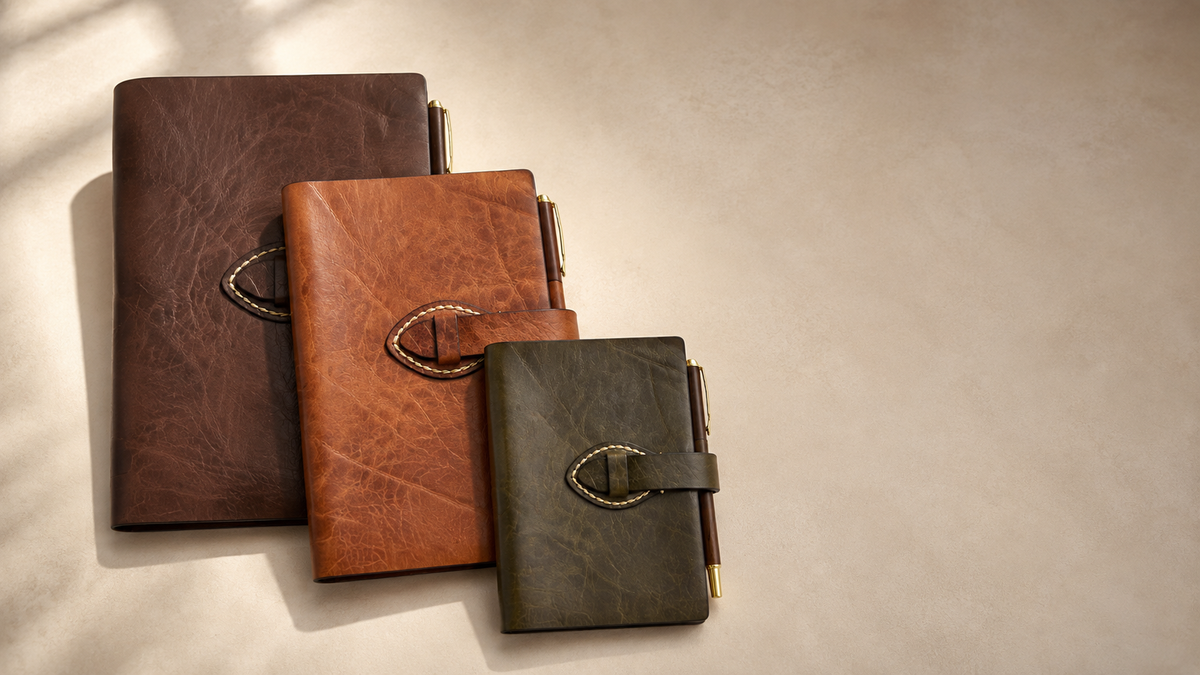
Full-Grain vs Genuine Leather Journals
Full-grain is a more specific material description than “genuine leather.” Genuine leather broadly indicates leather rather than a wholly synthetic substitute; on its own, it does not establish one consistent grade or level of quality. For a journal, compare the stated leather, finish, construction, paper and binding together.
What does full-grain mean?
Full-grain leather retains the natural grain surface rather than having it removed through corrective sanding. Natural variation can remain visible. That description helps explain the surface, but it is not a complete durability guarantee. Tanning, finish, thickness, stitching and use still matter.
A full-grain label does not tell you whether a journal opens comfortably, whether its paper suits your pen or whether its refills will be easy to replace. Those are separate product questions.
What does genuine leather tell you?
“Genuine leather” is often used as a broad description. It should not automatically be read as “the lowest grade,” nor should it be treated as proof that the material is full-grain. If a listing uses only this term, ask what type of leather and finish are used and whether the seller can provide a more specific description.
Also distinguish leather from bonded material and synthetic leather alternatives when a listing names those constructions. Avoid ranking materials from one isolated word without understanding how the cover is made.
Where does top-grain fit?
Top-grain terminology can be used differently across suppliers and listings. In retail descriptions it often refers to leather whose surface has been corrected for a more even appearance. Because terminology can vary, read the seller’s specific explanation. Do not infer that a journal has changed materials merely because a general category page uses different wording.
And crazy horse leather?
Crazy horse usually describes a waxed, changing finish. It is not a separate animal species or a reliable grade label. A product can state both a leather type and a crazy horse finish. Our crazy horse journal guide discusses the appearance and care implications.
A more useful comparison checklist
| Check | Why it matters |
|---|---|
| Specific leather and finish | Explains surface character and helps you ask suitable care questions. |
| Cover construction | A flexible wrap, structured folio and ring binder feel different in use. |
| Binding and replacement method | Determines whether you replace individual sheets, whole inserts or the finished volume. |
| Paper details | Color, layout and writing behavior affect every entry. |
| Exterior dimensions | The finished cover is usually larger than the nominal paper format. |
| Product support and clear terms | Makes it easier to resolve a material, fit or order question. |
Apply the checklist to an actual journal
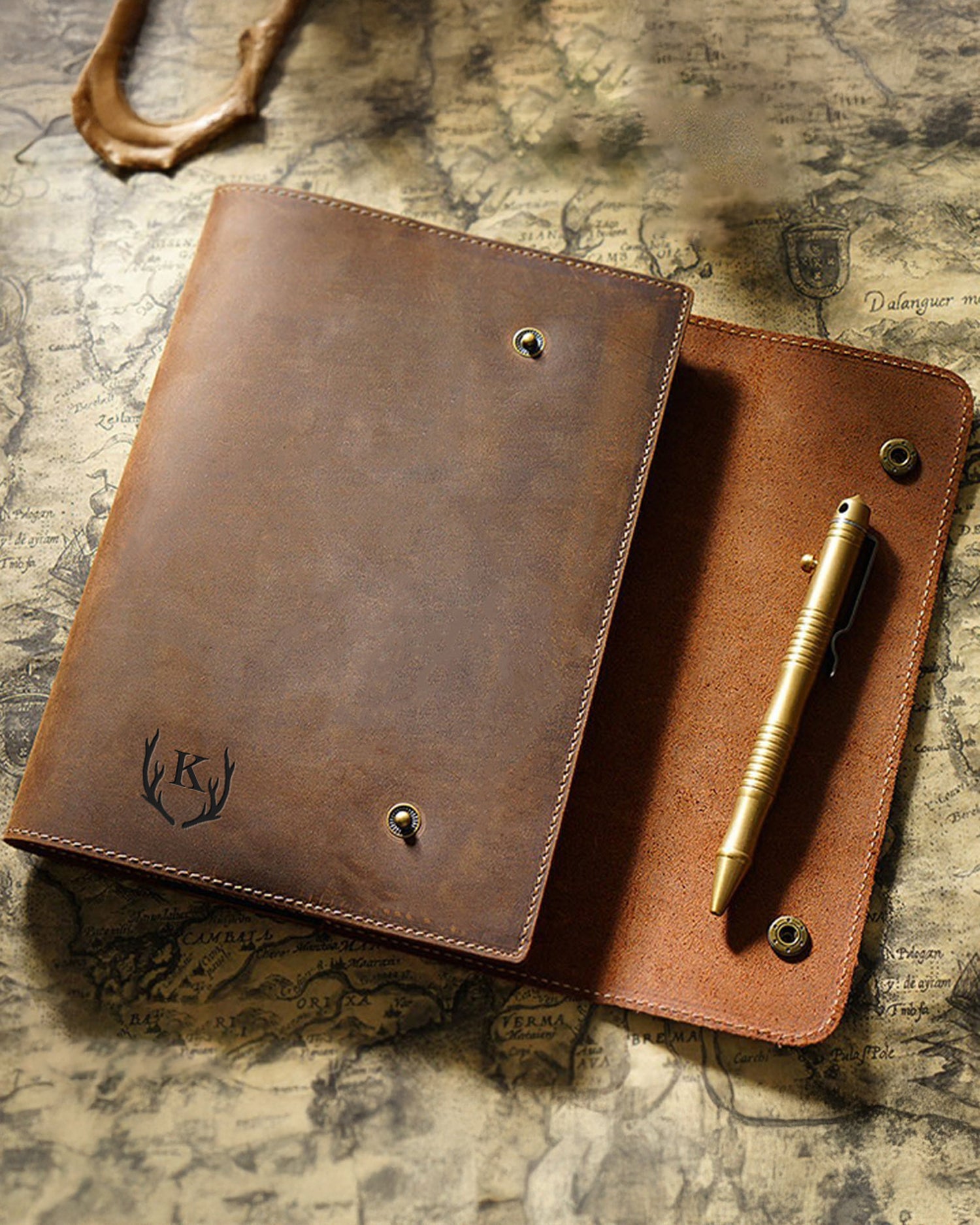
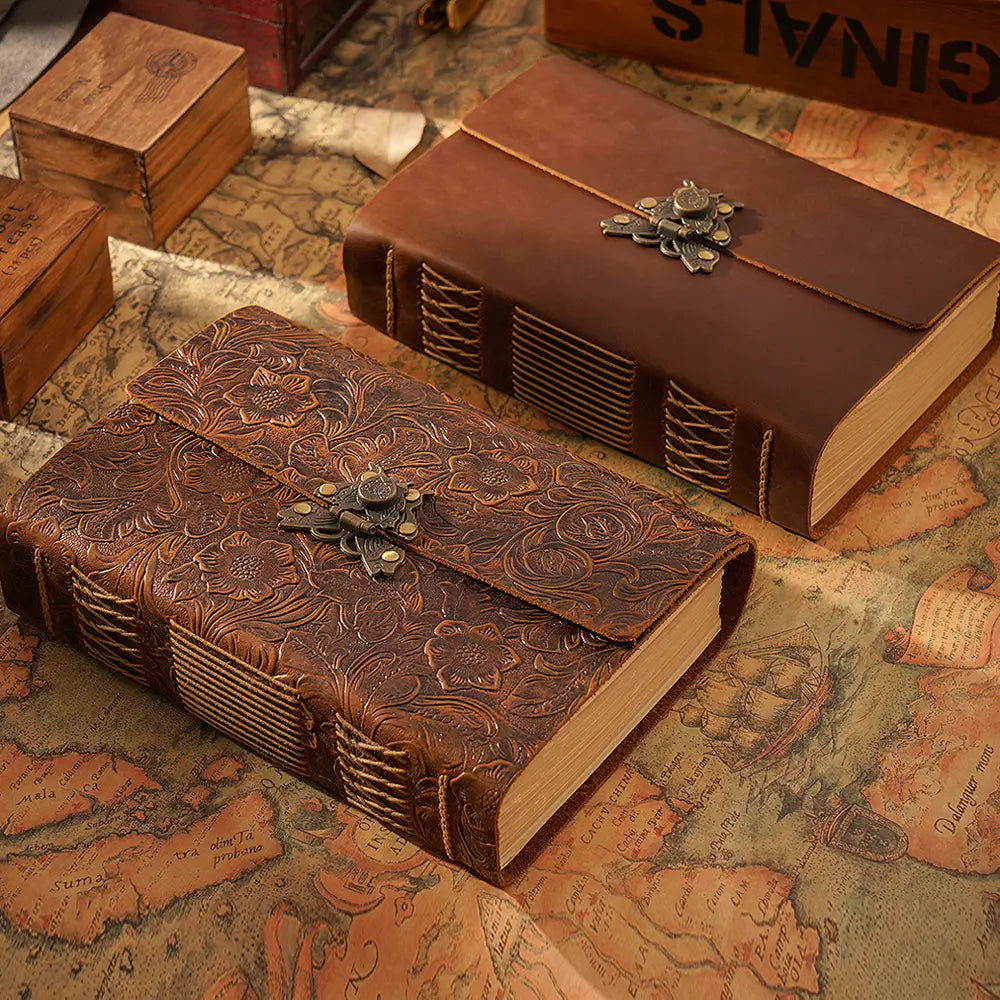
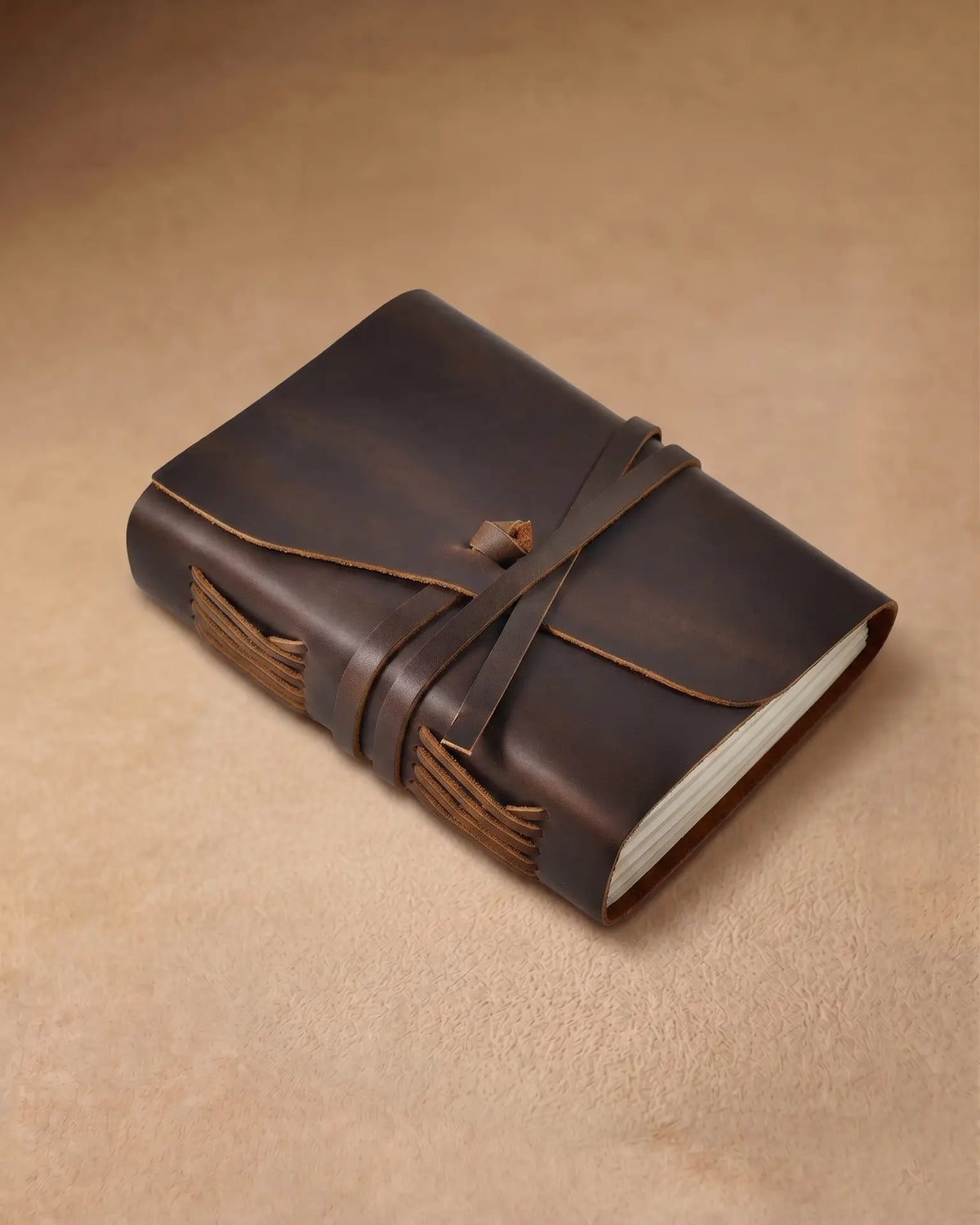
The Bygone Mark A5 six-ring strap journal lists a full-grain cowhide cover and removable kraft-paper pages. Its six-ring mechanism and listed exterior measurements are just as relevant as the leather description. A folio or traveler’s notebook uses a different paper-holding system, even if the cover finish looks similar.
Compare the current journal range using each product page’s material description. Do not apply a full-grain claim from one item to every journal in the collection.
What should I ask when a listing is vague?
Ask for the leather type, finish, outside dimensions, included paper and exact refill requirements. If long-term wear is your priority, look for transparent construction information and relevant product evidence rather than an unsupported lifetime promise. A clearly described journal that fits your writing habits is easier to choose than one sold mainly through a quality adjective.
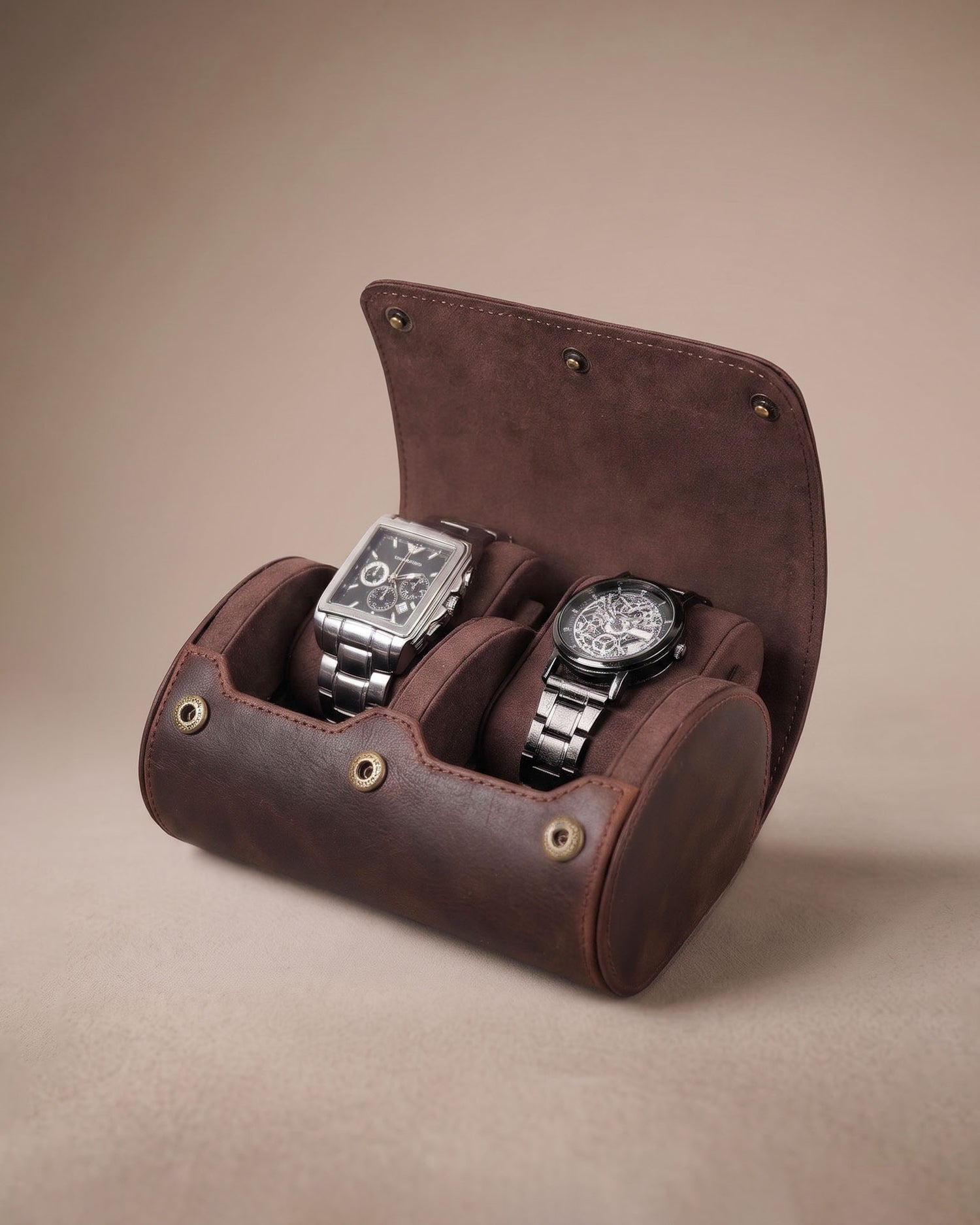



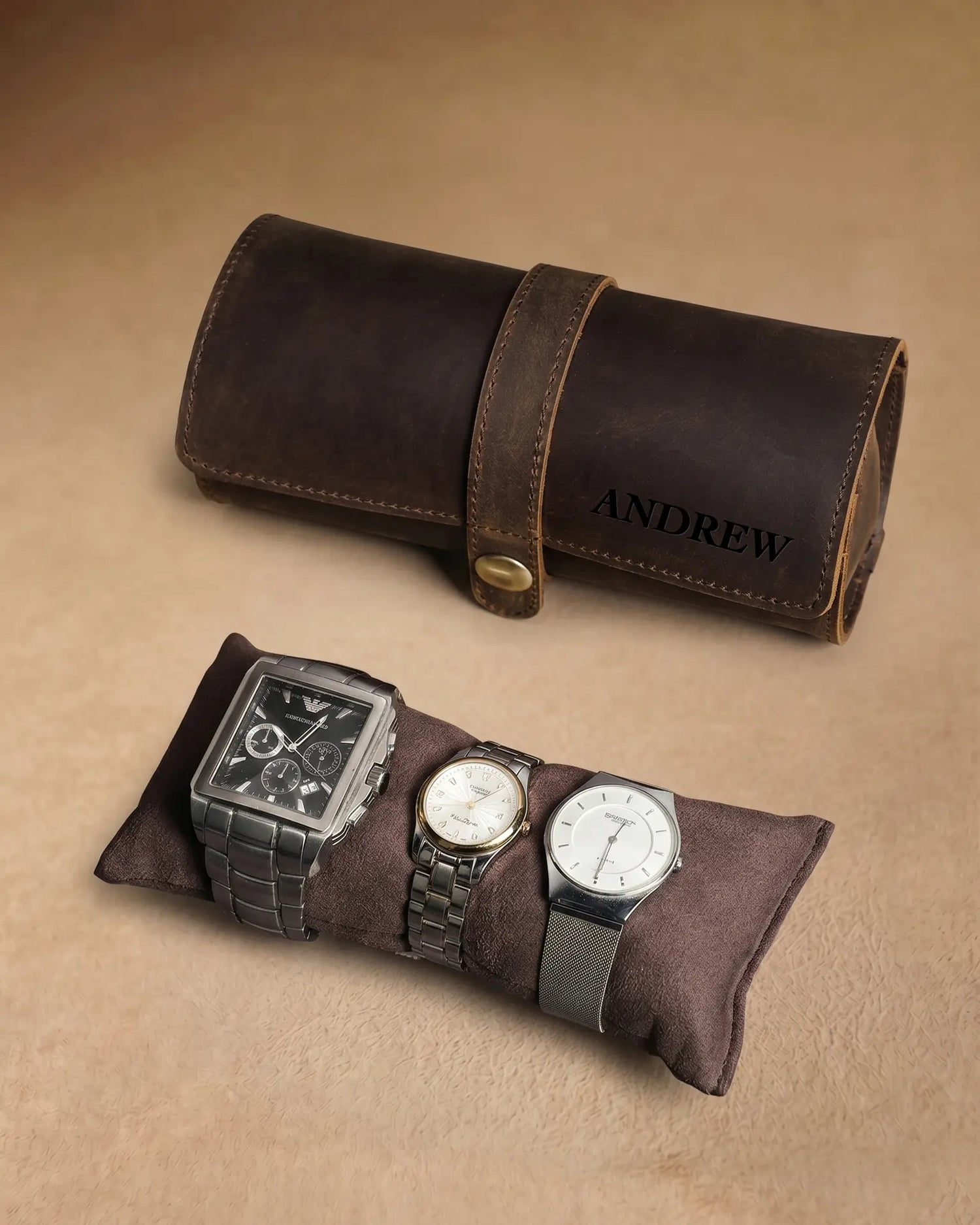
Journey Wrap 3本用レザーウォッチロール

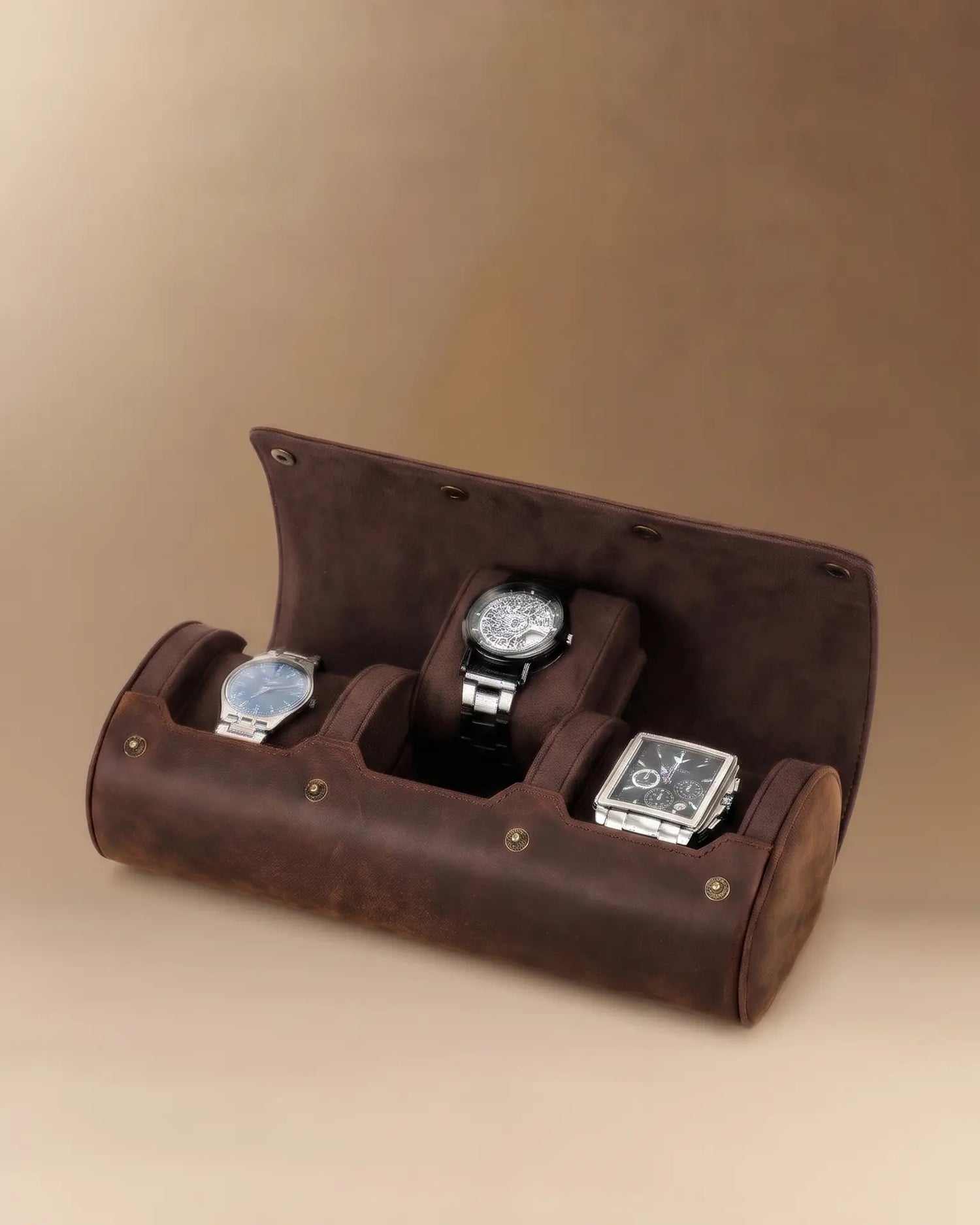
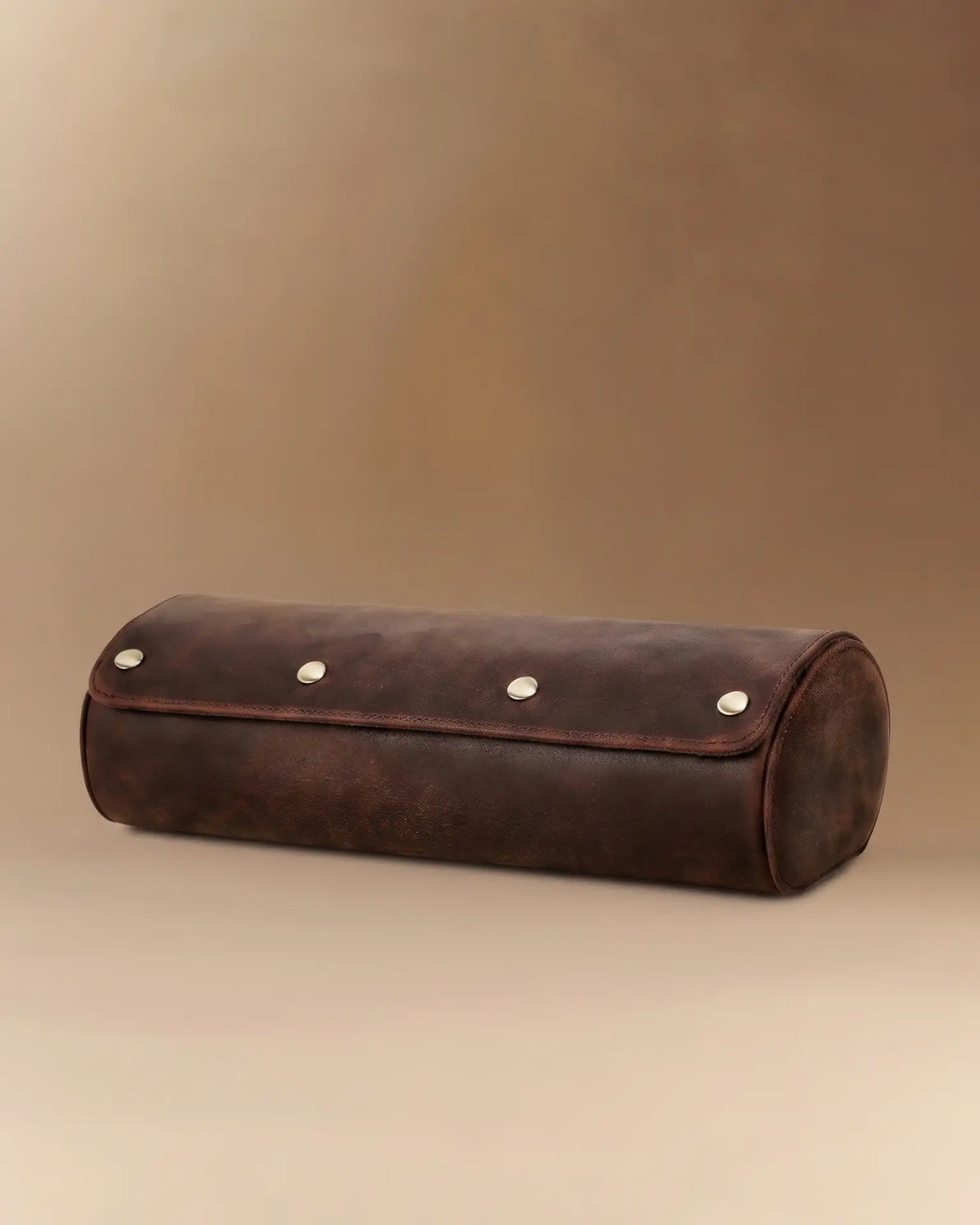
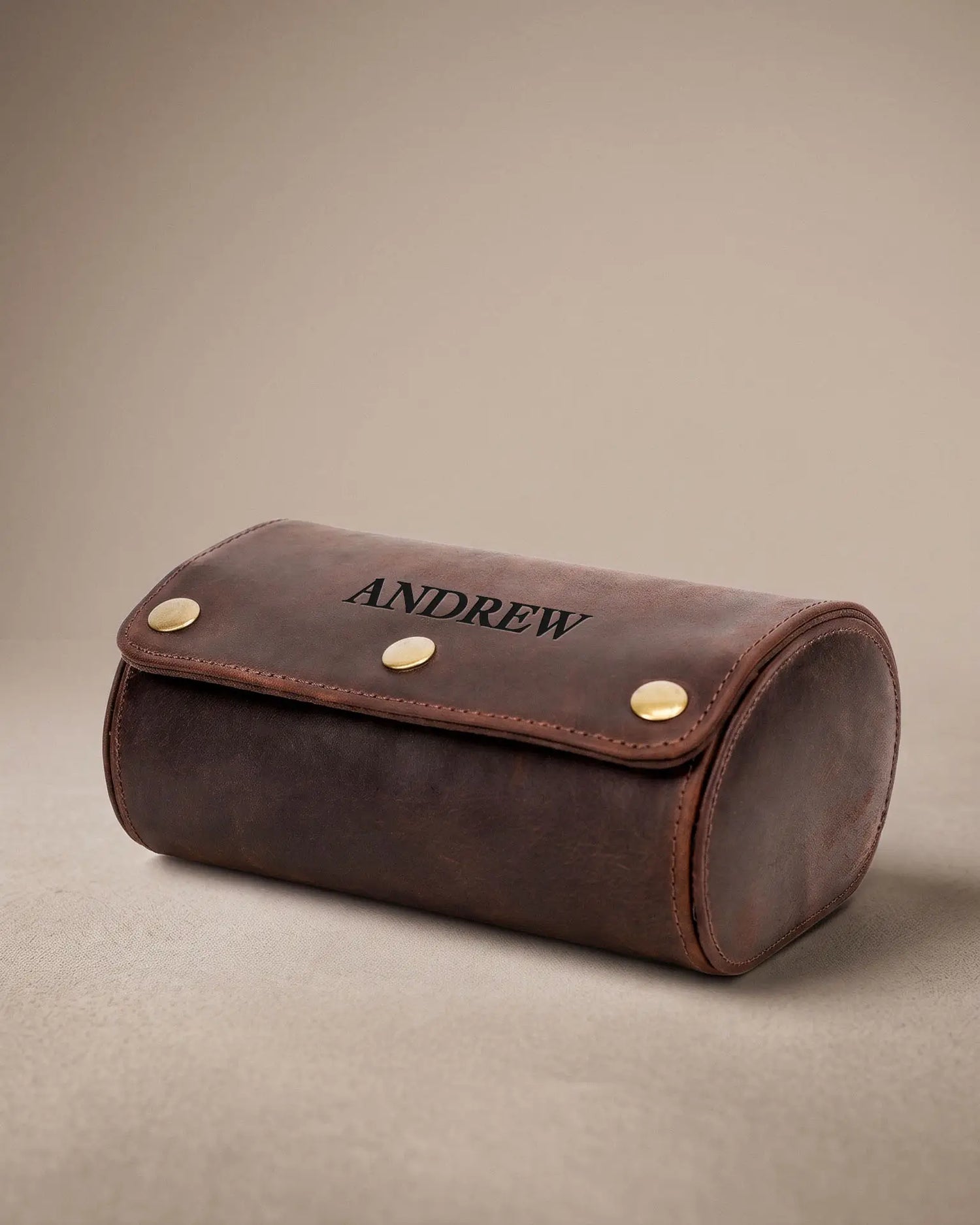
Legacy Rivet 3本用レザーウォッチロール
 Dark Brown
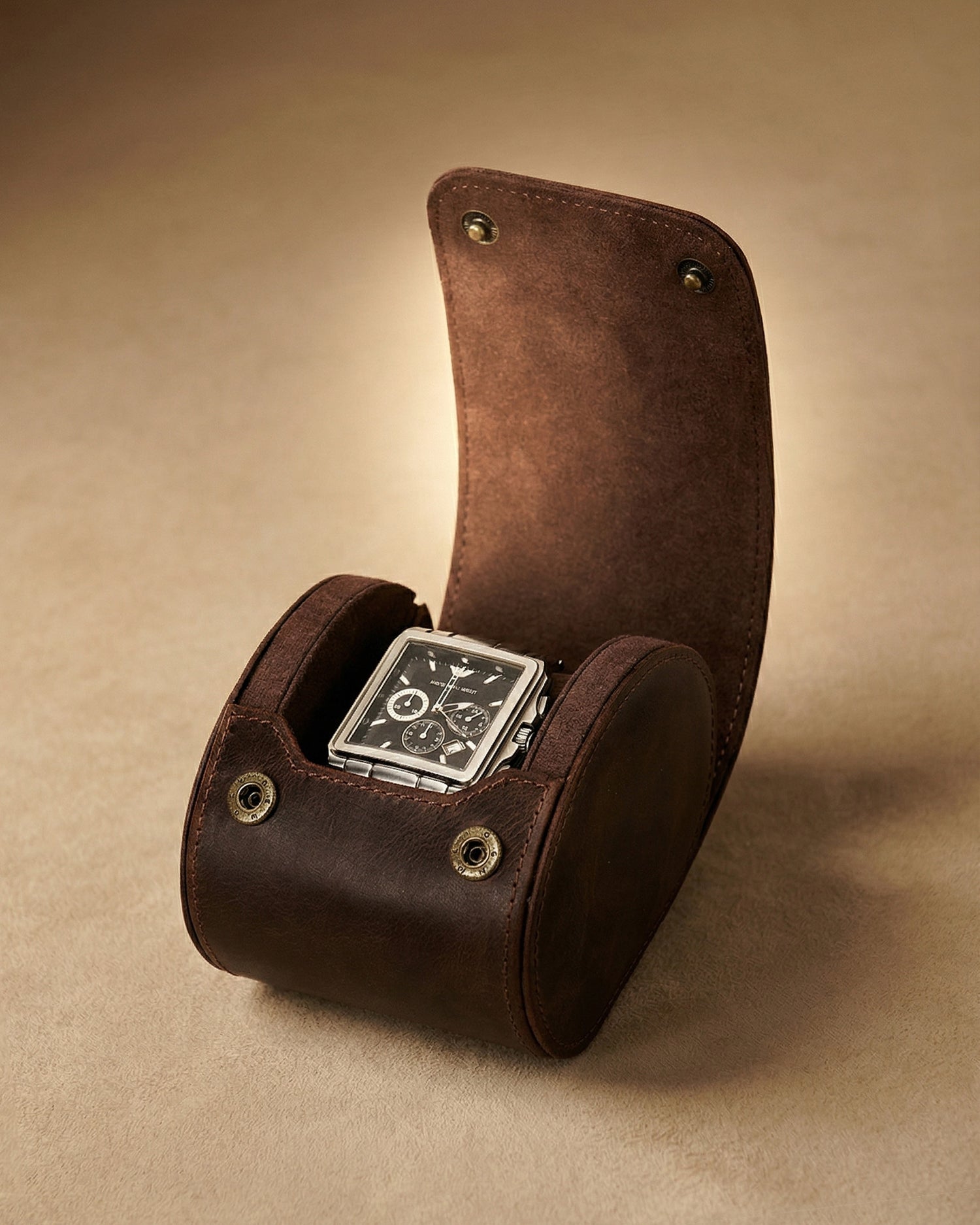
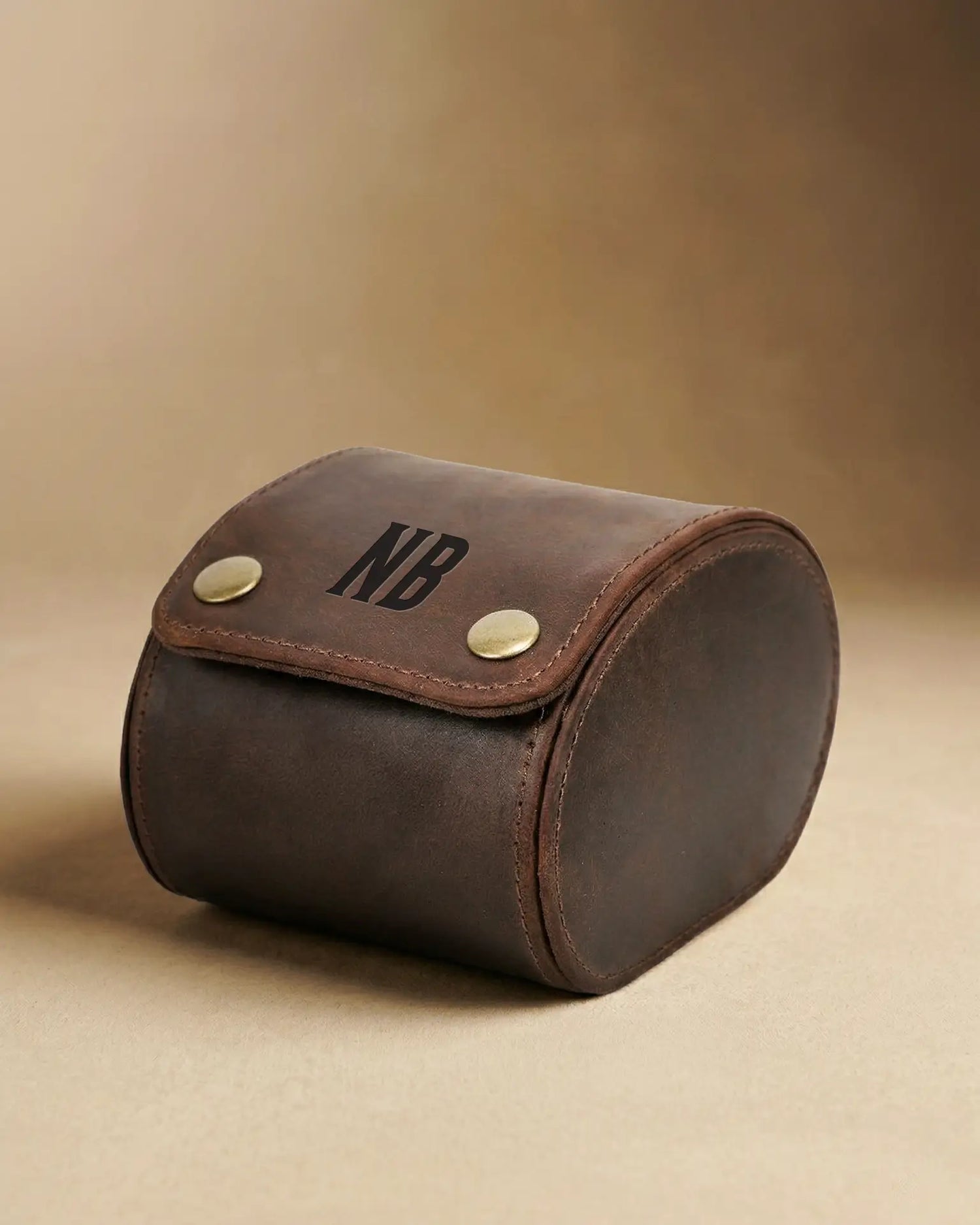
Legacy Rivet 1本用レザーウォッチロール
Dark Brown
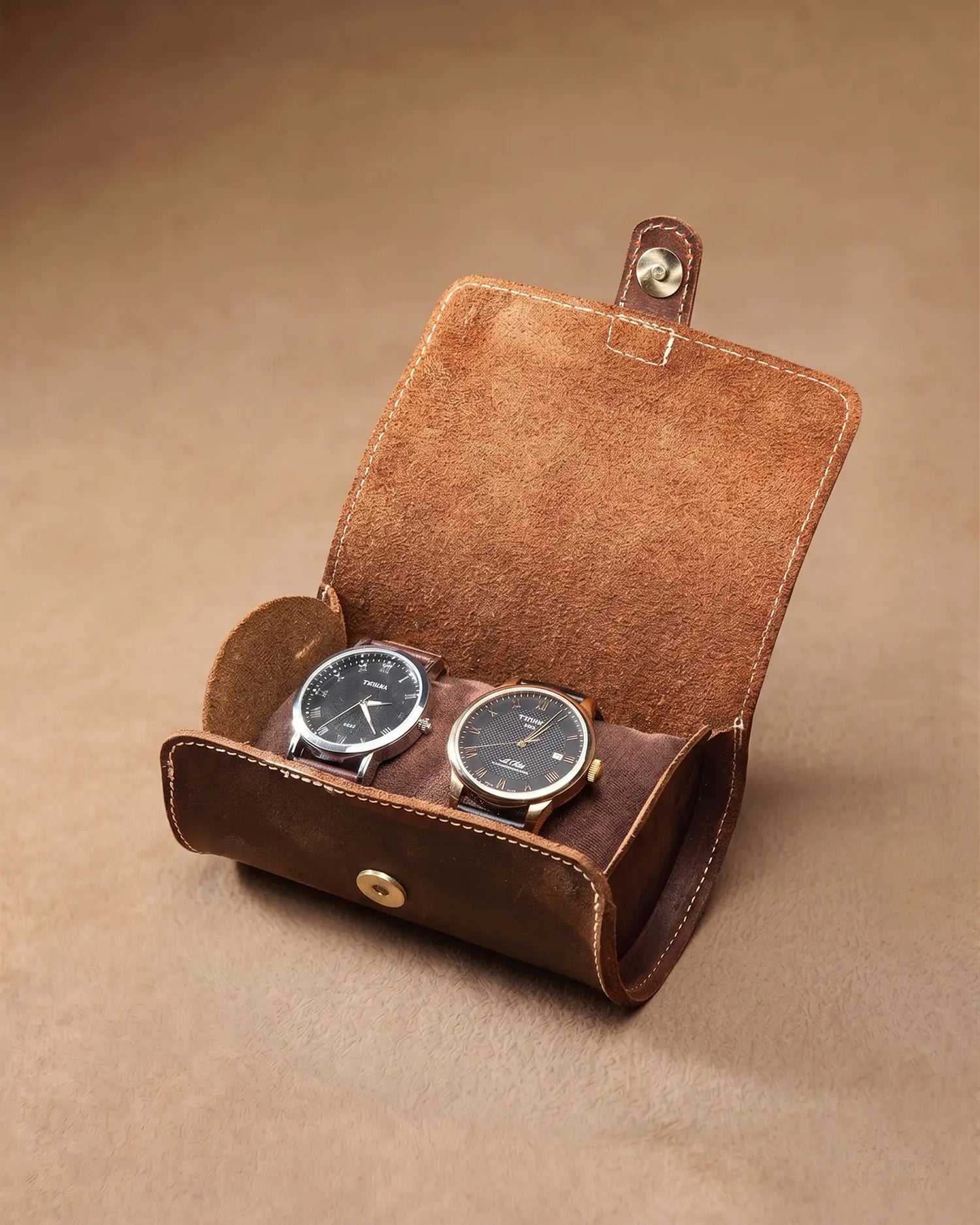
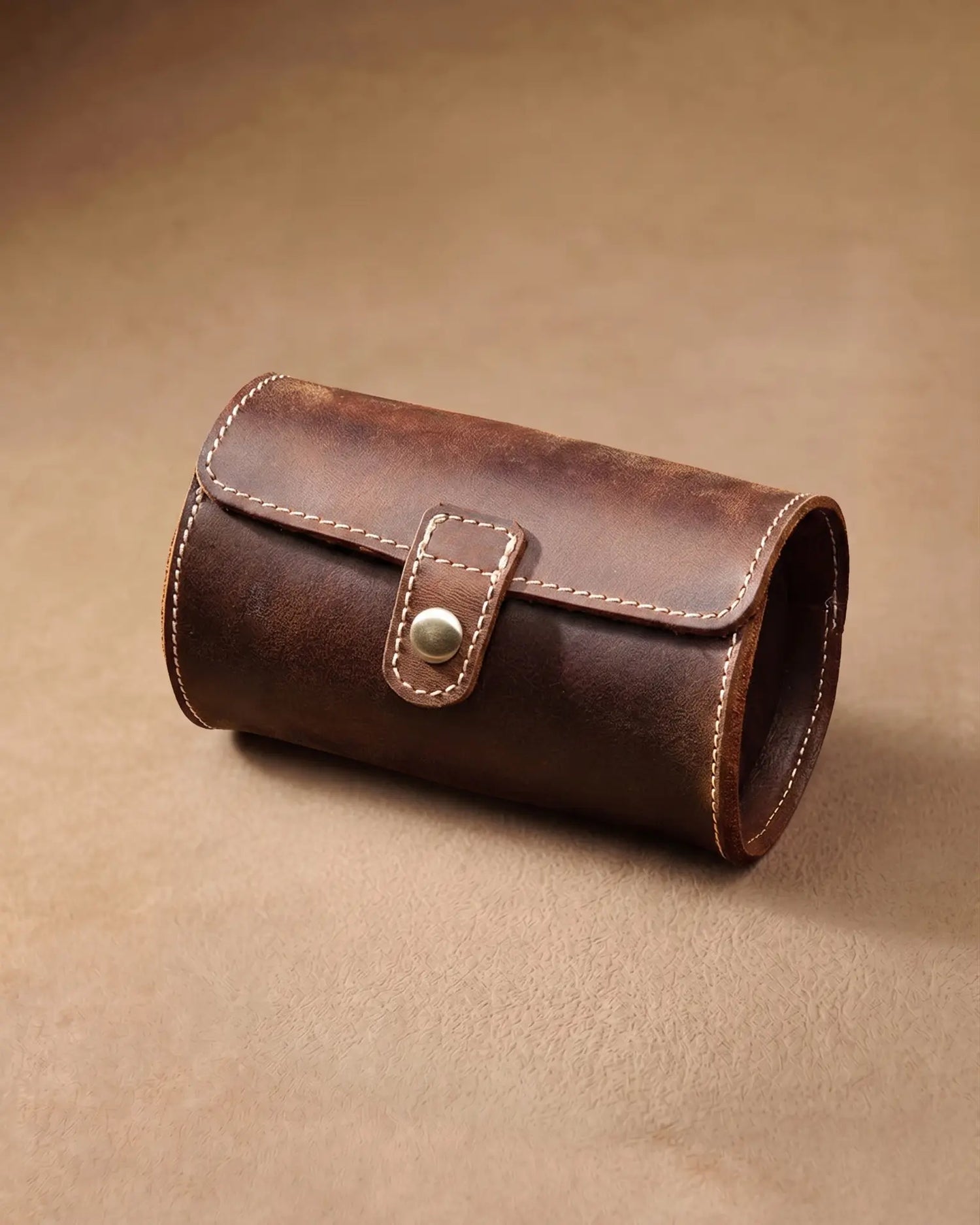
Journey Wrap 2本用レザーウォッチロール
More Leather Guides
Explore practical guides to choosing, using and caring for leather goods.

Custom Leather Bookmark Guide: Thickness, Engraving and Magnet Options

Magnetic Bookmark With Pen Holder: Who It Is For and How to Use It
