
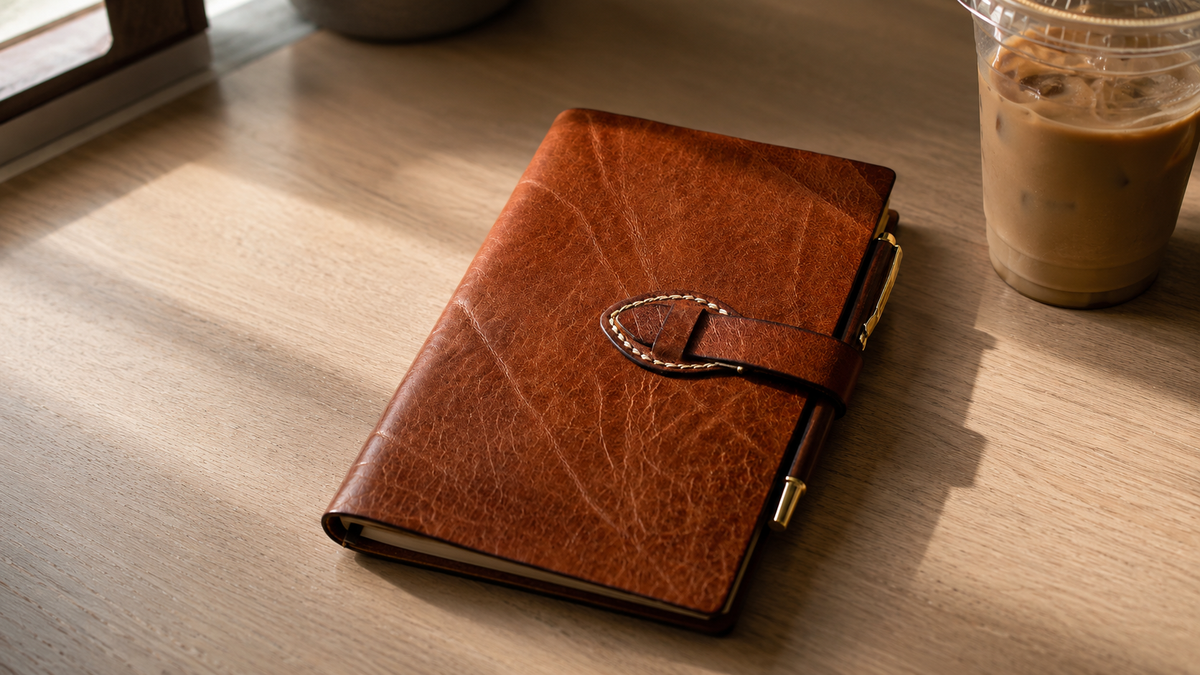
Crazy Horse Leather Journals: Finish & Care
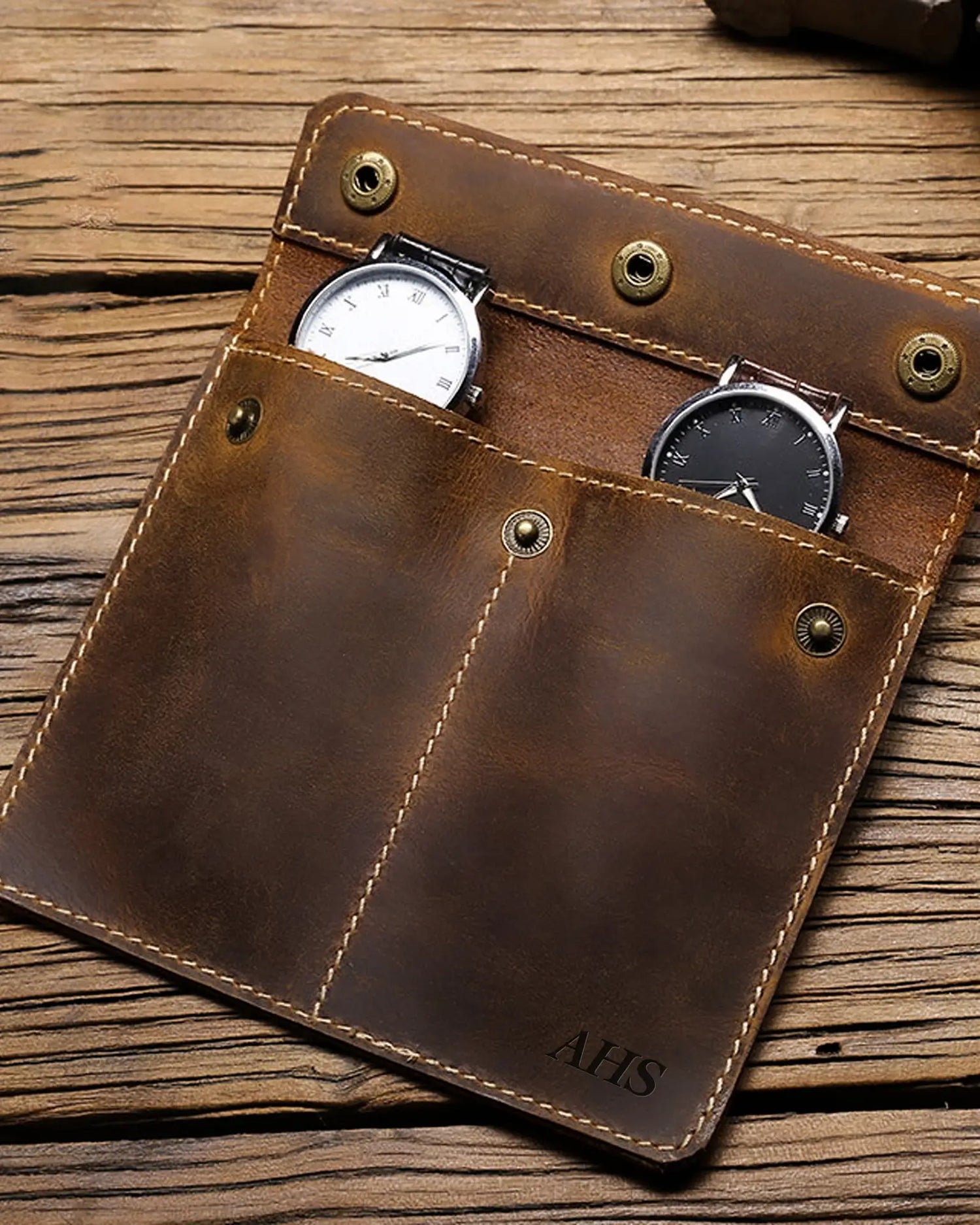
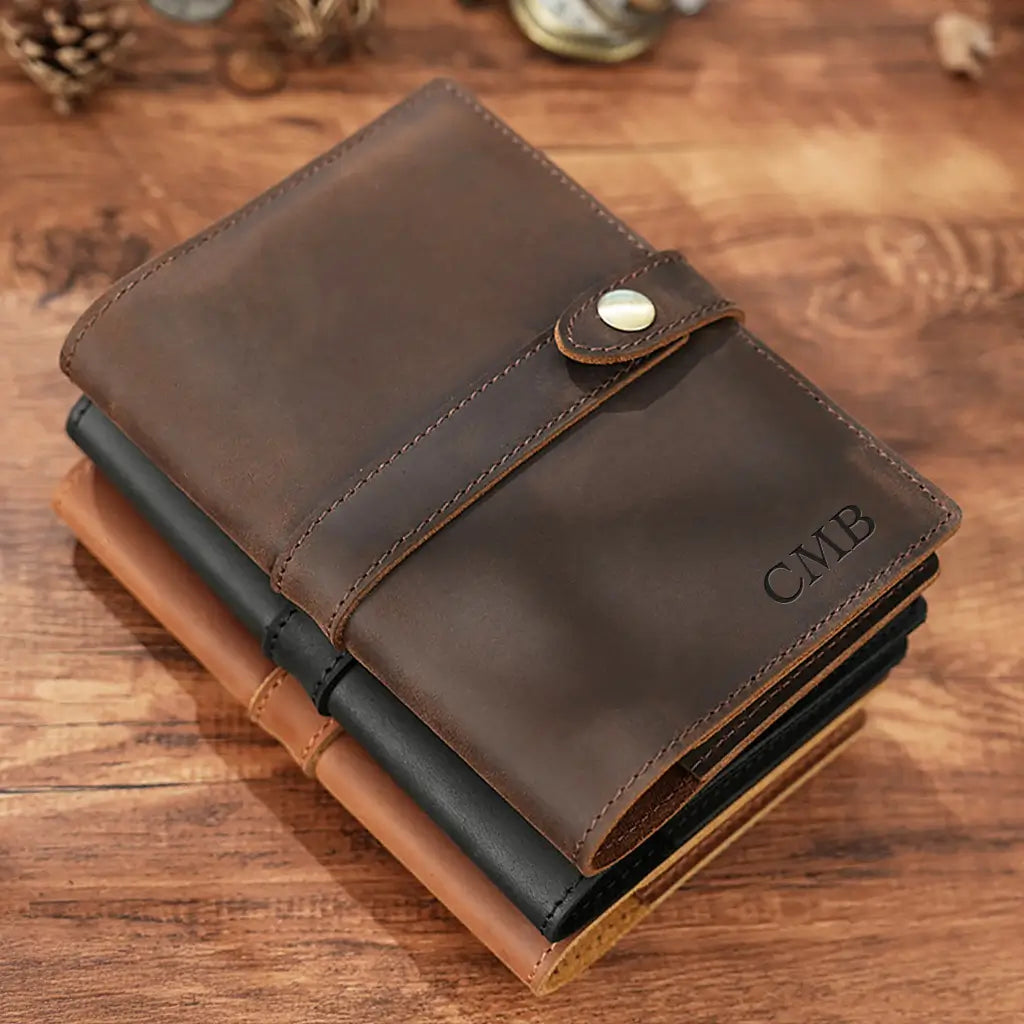
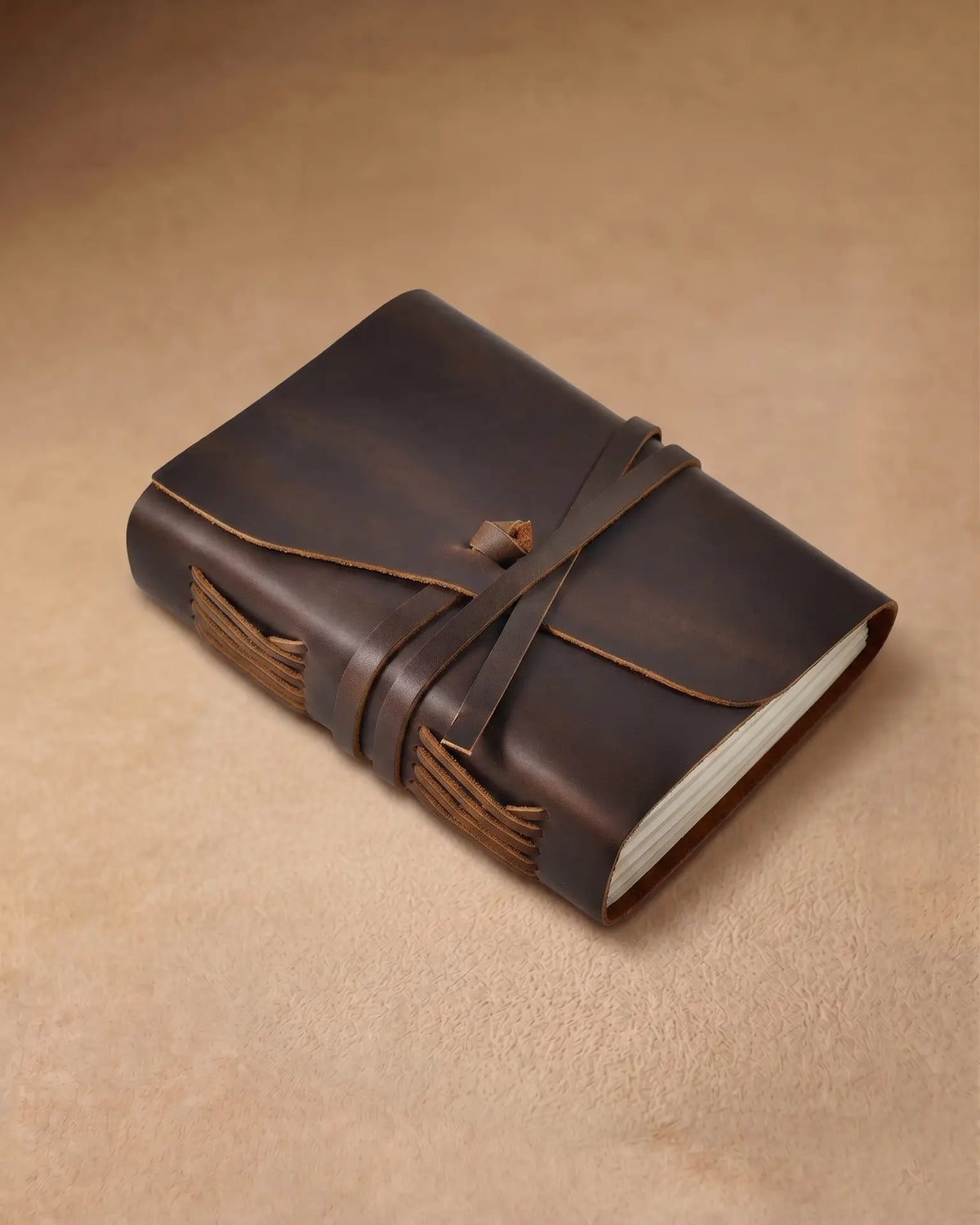
Crazy horse leather is a name commonly used for a waxed leather finish with a deliberately aged appearance. Bending or rubbing the surface can change its tone, often described as a pull-up effect. The name does not mean the leather comes from a horse, and it does not by itself tell you the hide grade, binding quality or paper performance of a journal.
Why does the surface change color?
Waxes and oils in the finish affect how the surface looks as it flexes and is handled. A lighter mark can appear where the leather bends or rubs. Some light surface marks may blend with gentle handling, while deeper scratches, cuts or stains can remain. Avoid treating every mark as either a defect or something that will disappear completely.
This changing appearance is a reason some people choose the finish. It is also a reason to choose something else if you want a consistently uniform surface. Product photos show a reference appearance, not a promise that every piece will age in exactly the same pattern.
Finish and leather grade are separate questions
“Crazy horse” describes a finish convention; “full-grain” and “top-grain” describe aspects of the leather material. Check the specific product description rather than assuming that every waxed journal uses the same grade. Construction, edge finishing, stitching and the mechanism that holds the paper also affect how the journal works.
The leather-label guide explains why a broad phrase such as “genuine leather” is not enough to compare two journals. Ask for missing material information if it is important to your purchase.
Choose the writing system before the finish
- Ring-bound: individual sheets can be added, removed and rearranged when compatible with the mechanism.
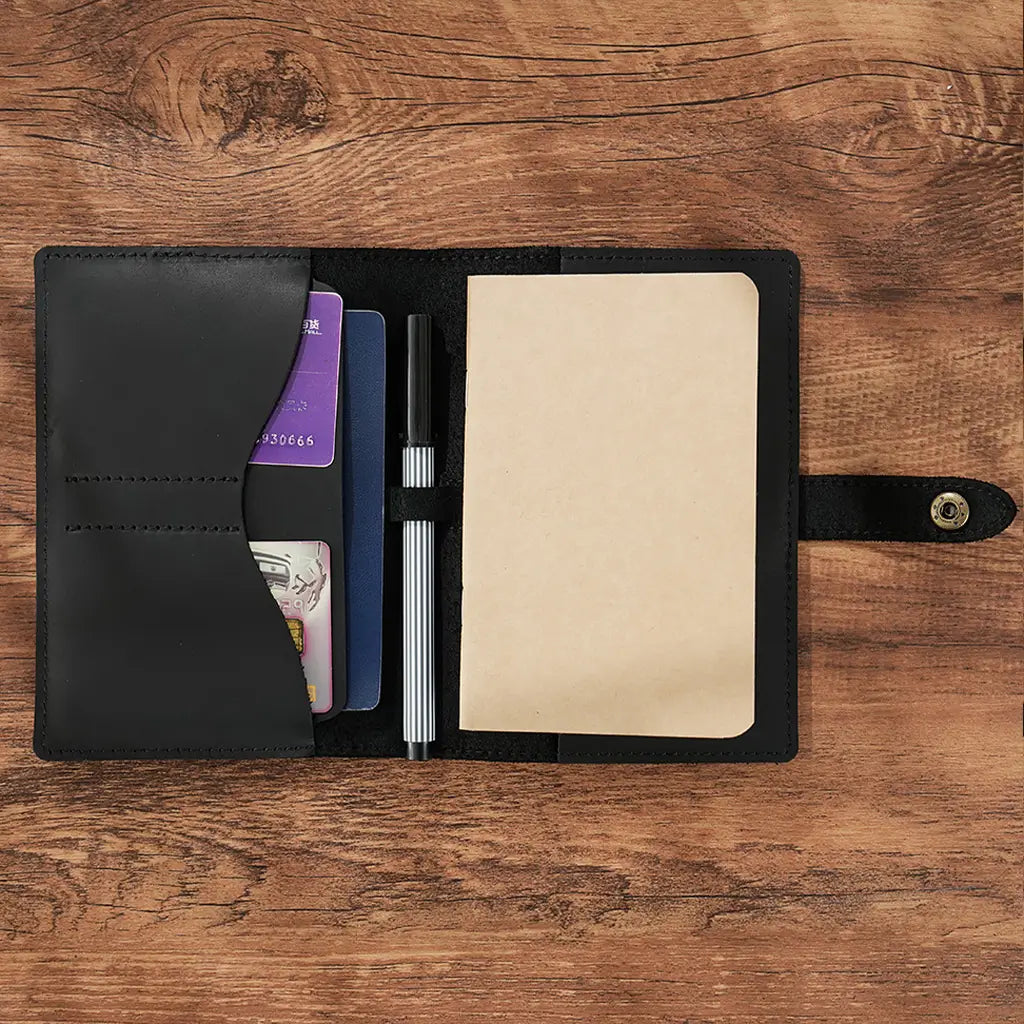
- Notebook insert: the cover holds a separate notebook or group of inserts; check exact notebook dimensions.
- Bound pages: completed writing stays together as one volume unless the product explicitly describes a replacement system.
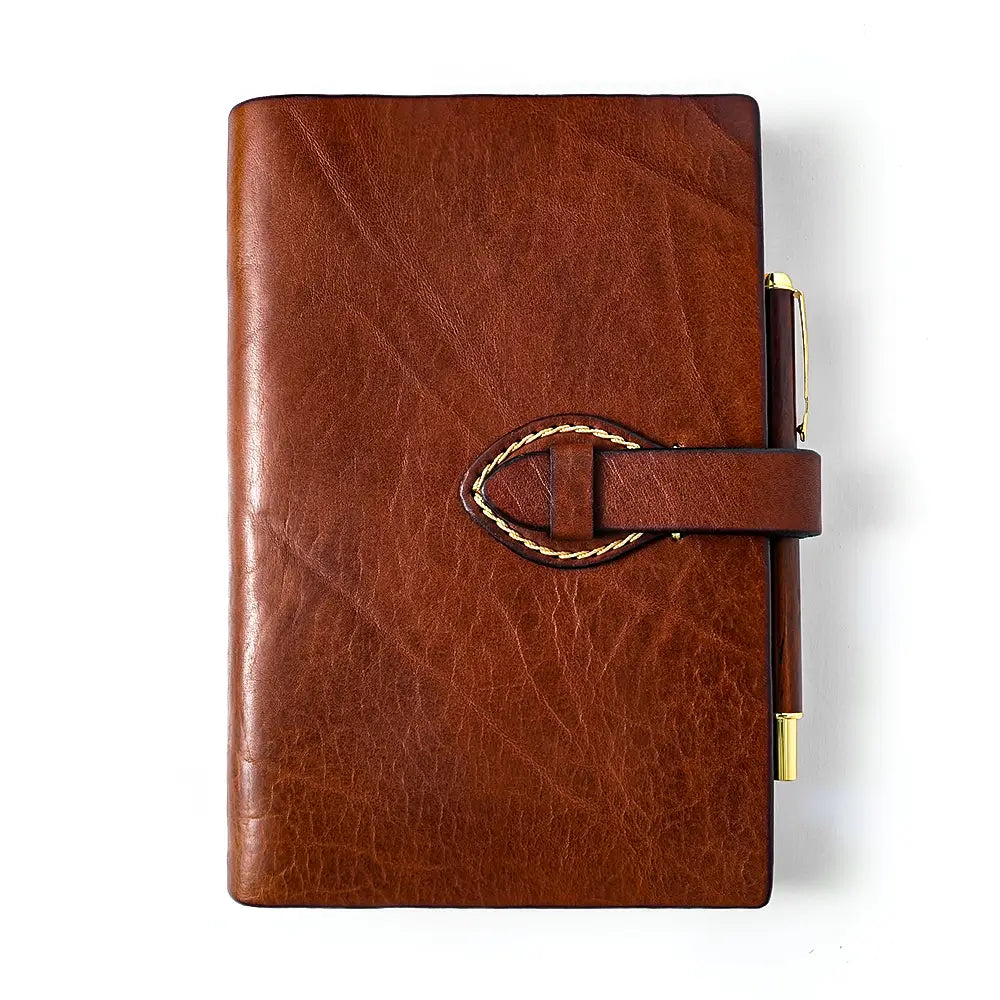
For example, the A5 strap-closure six-ring journal uses a different system from a Journey Wrap A5 traveler’s notebook. Do not choose refills solely because both products use an A5 label or have a similar brown cover.
What about the paper?
The leather finish tells you nothing about whether ink will feather, show through or bleed through the paper. Check the paper color, ruling, sheet count and any product-specific writing evidence. Kraft and white paper also change how colors appear. For an unfamiliar pen-and-paper combination, test a small area first.
Everyday care
Start with a soft, dry cloth. Keep the journal away from soaking, direct heat and strong cleaners. If a suitable leather-care product is needed, test it on a hidden area and allow it to dry before treating a visible surface. Conditioning can darken the leather or change the intended waxed appearance.
Keep care products away from paper, fabric linings and hardware. Do not apply extra oil simply to make every natural color variation disappear. Follow the care guide and ask about the exact item if its finish is unclear.
Is it the right journal for you?
Consider this finish if you enjoy visible wear and variation. Choose another finish if keeping a uniform surface is your main priority. Compare material, paper, exterior dimensions and refill details together in the journal collection; the leather’s appearance is one part of the choice, not a substitute for a suitable writing format.





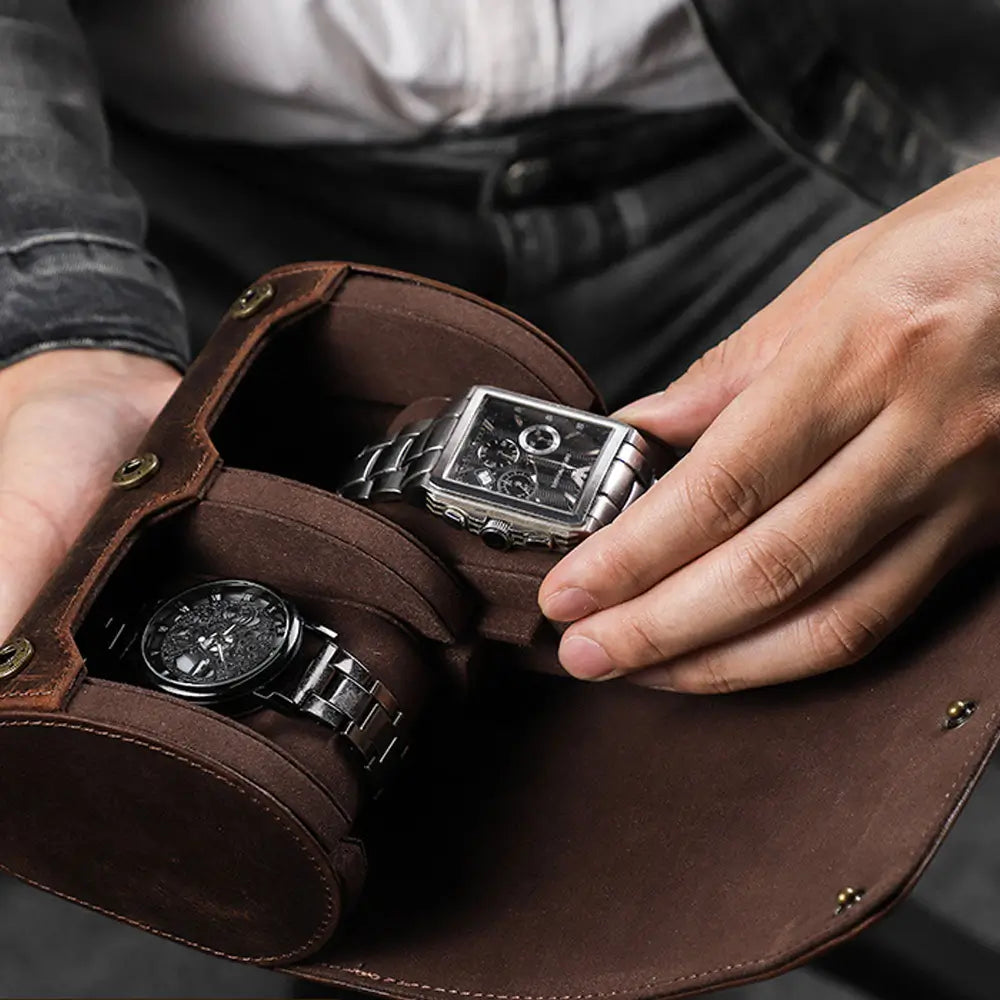
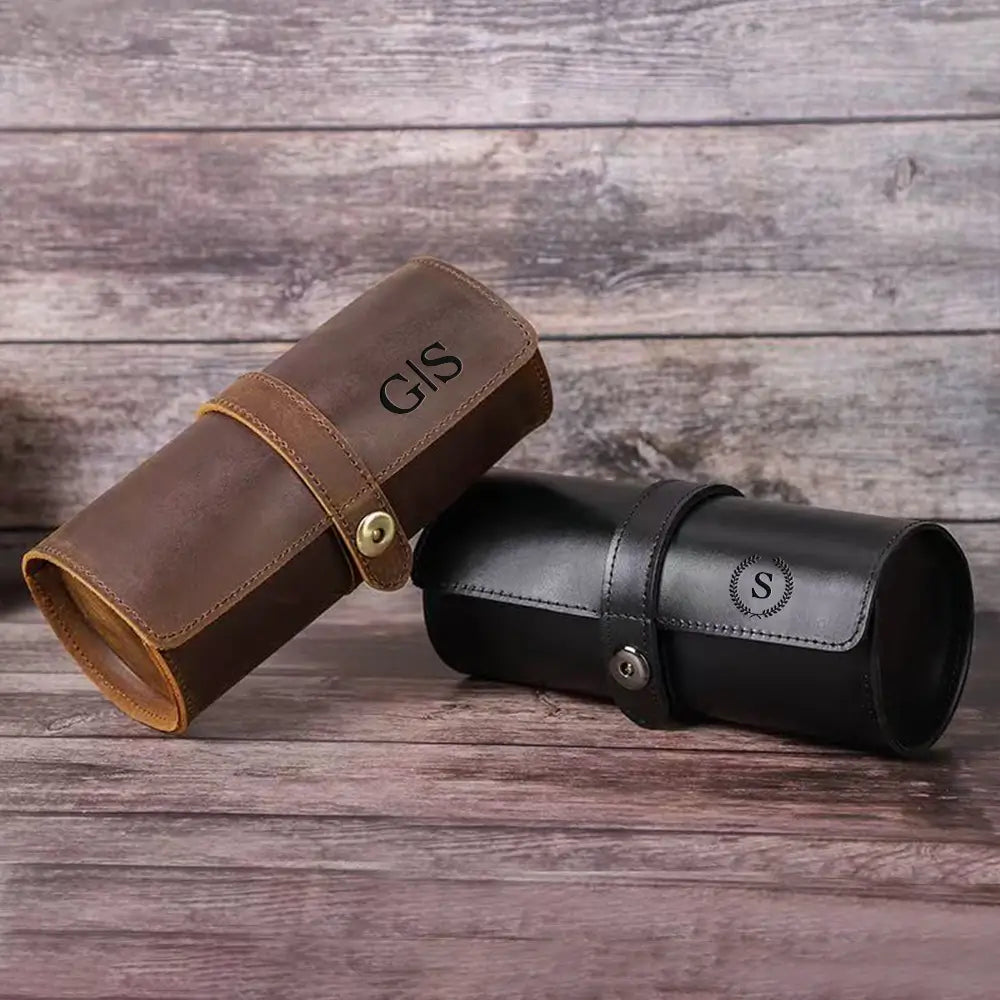
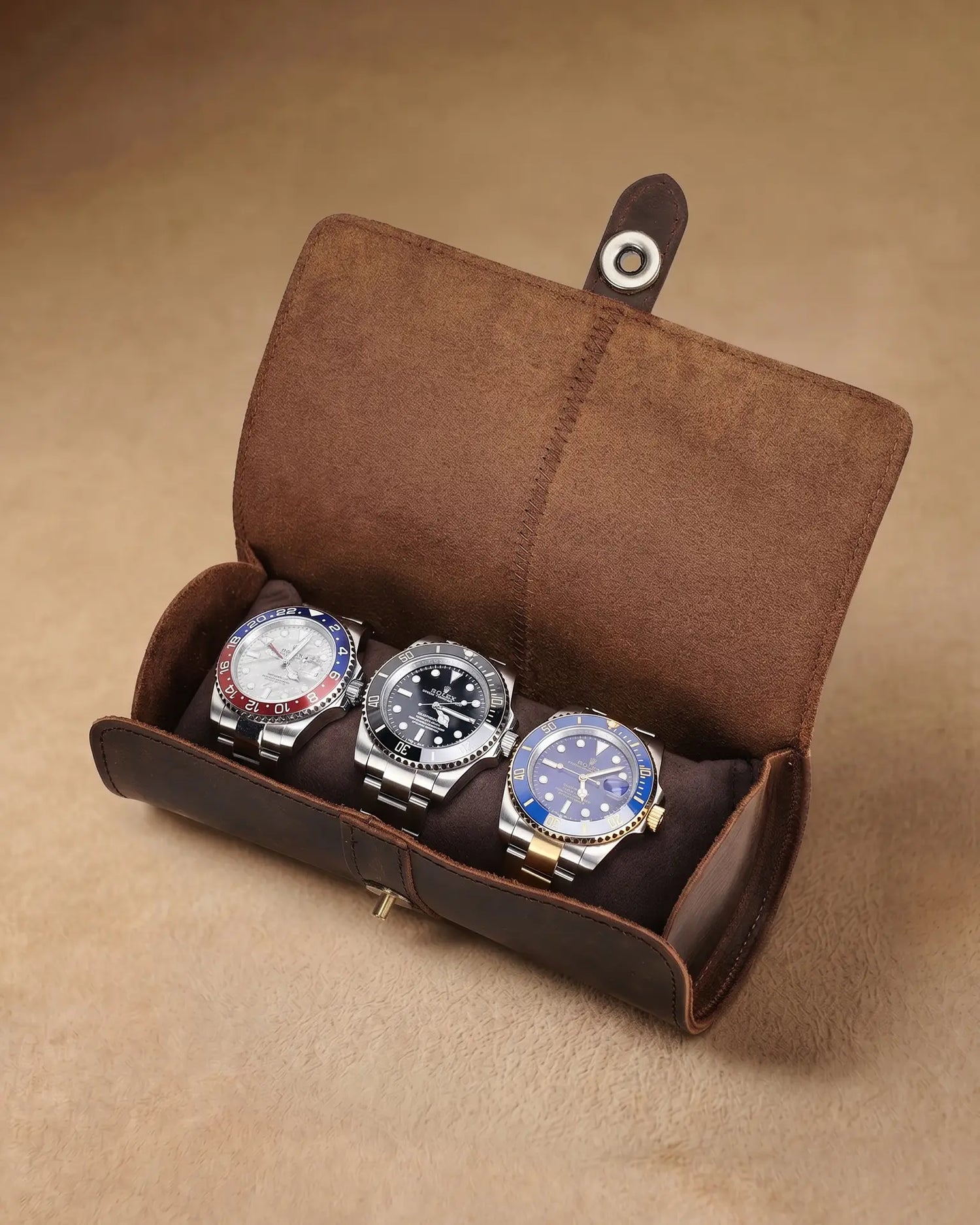
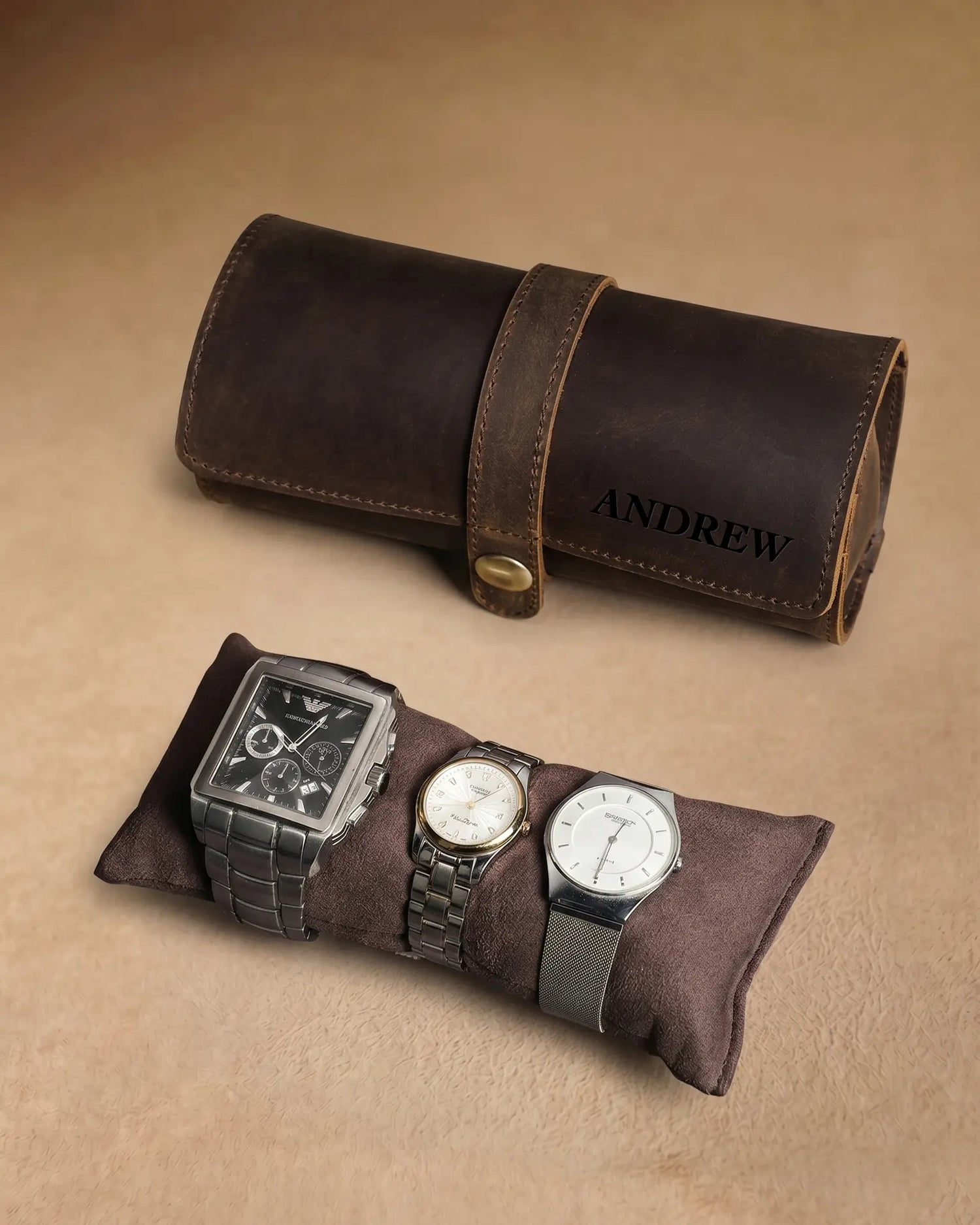
Journey Wrap 3本用レザーウォッチロール
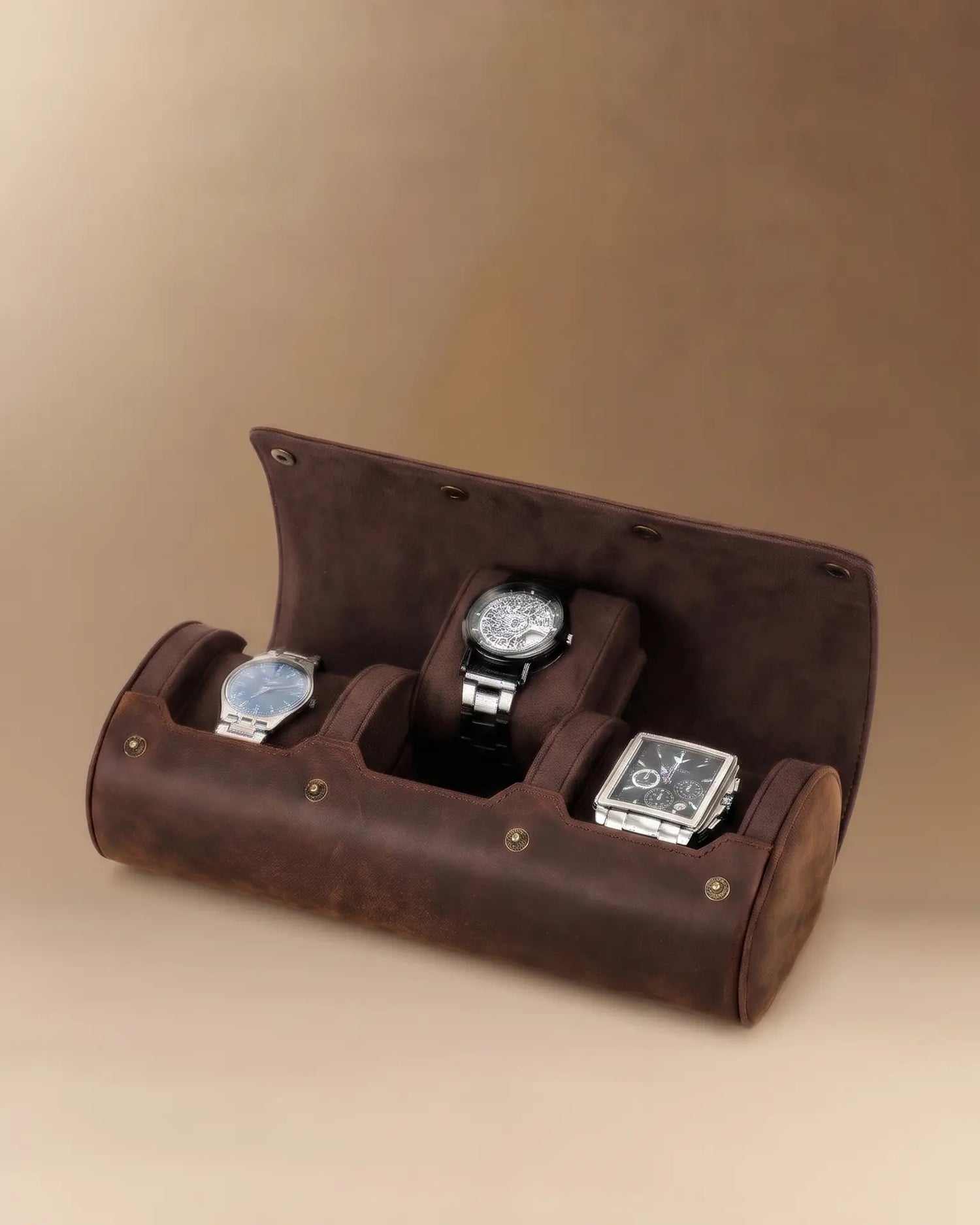
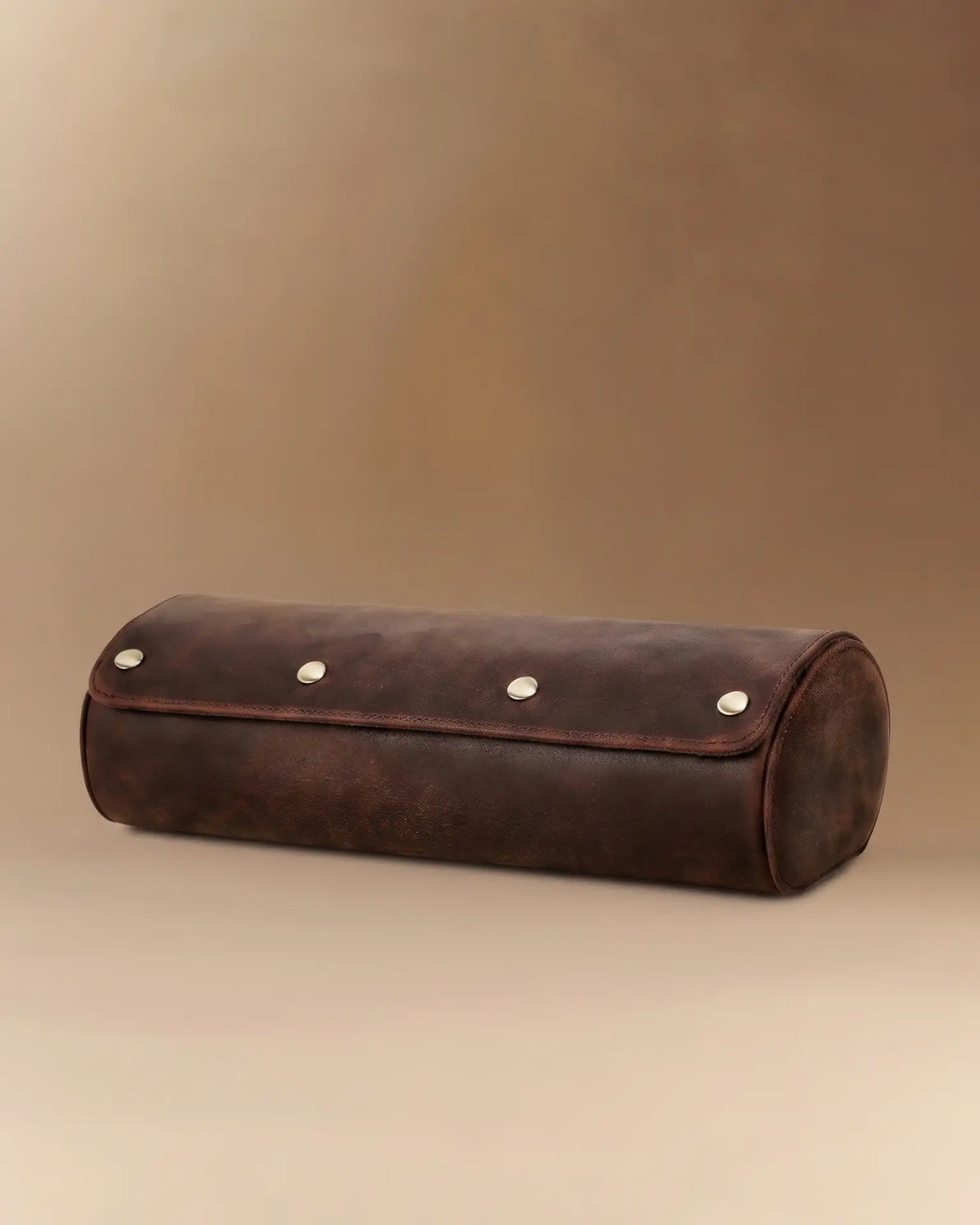
Legacy Rivet 3本用レザーウォッチロール
 Dark Brown
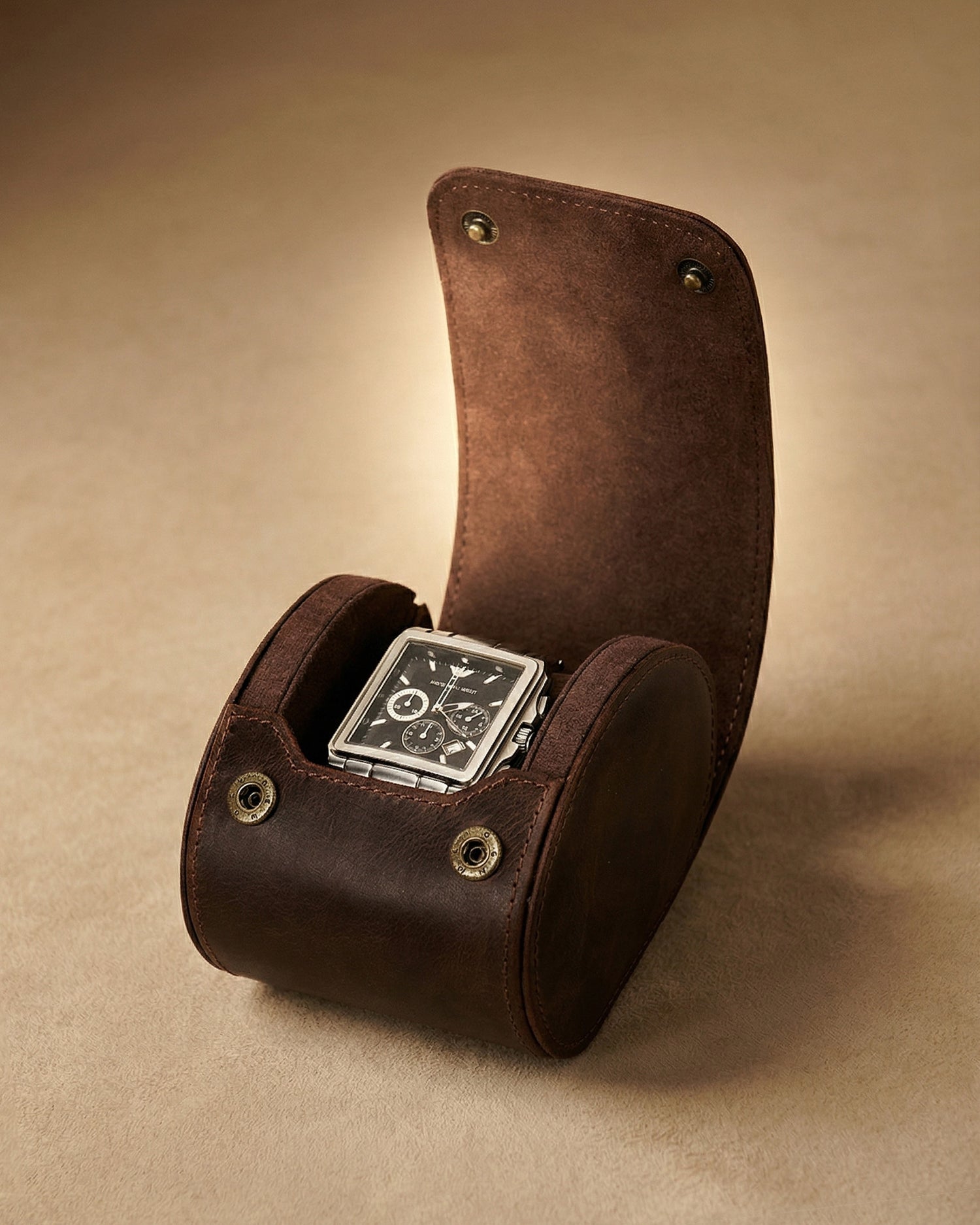
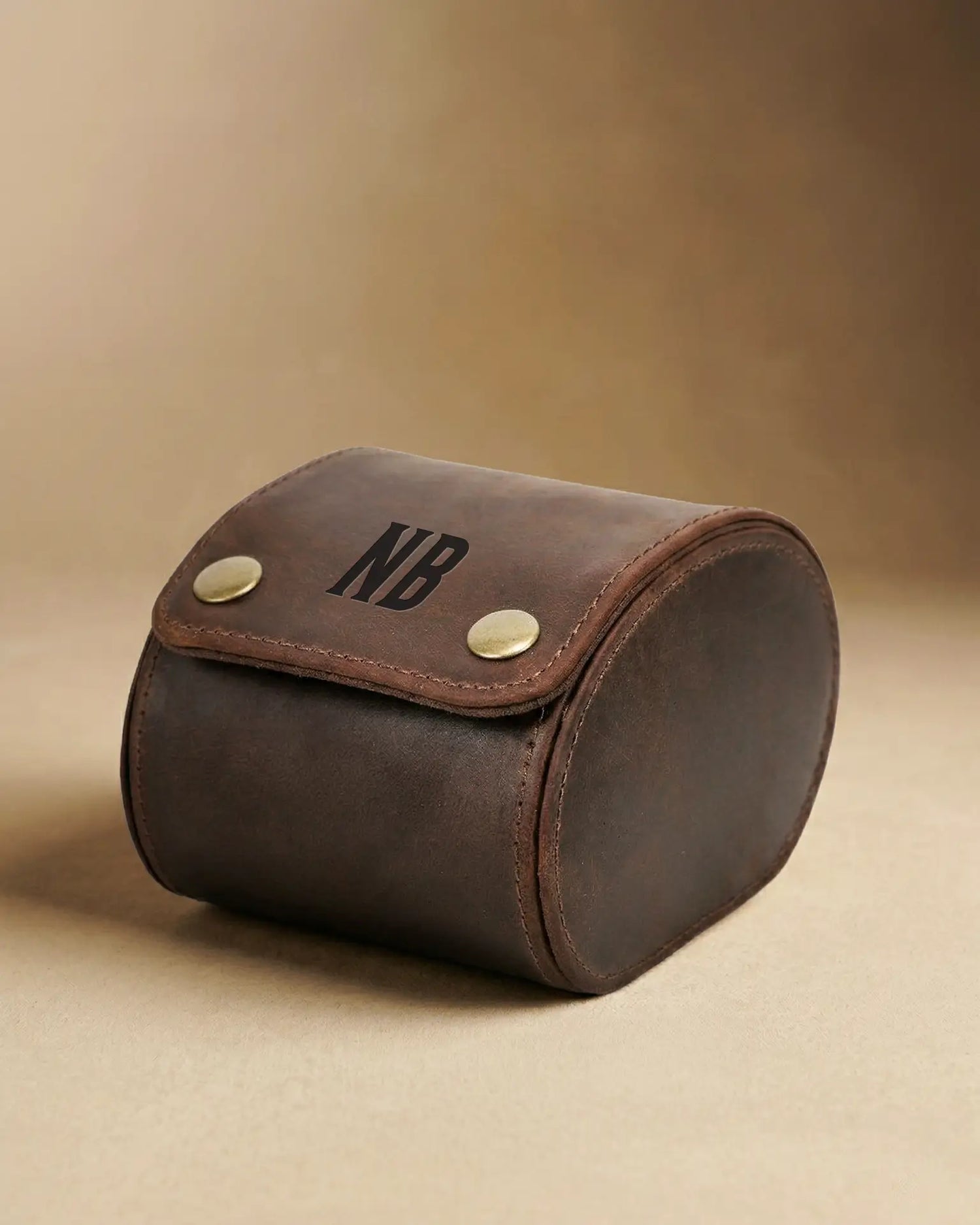
Legacy Rivet 1本用レザーウォッチロール
Dark Brown
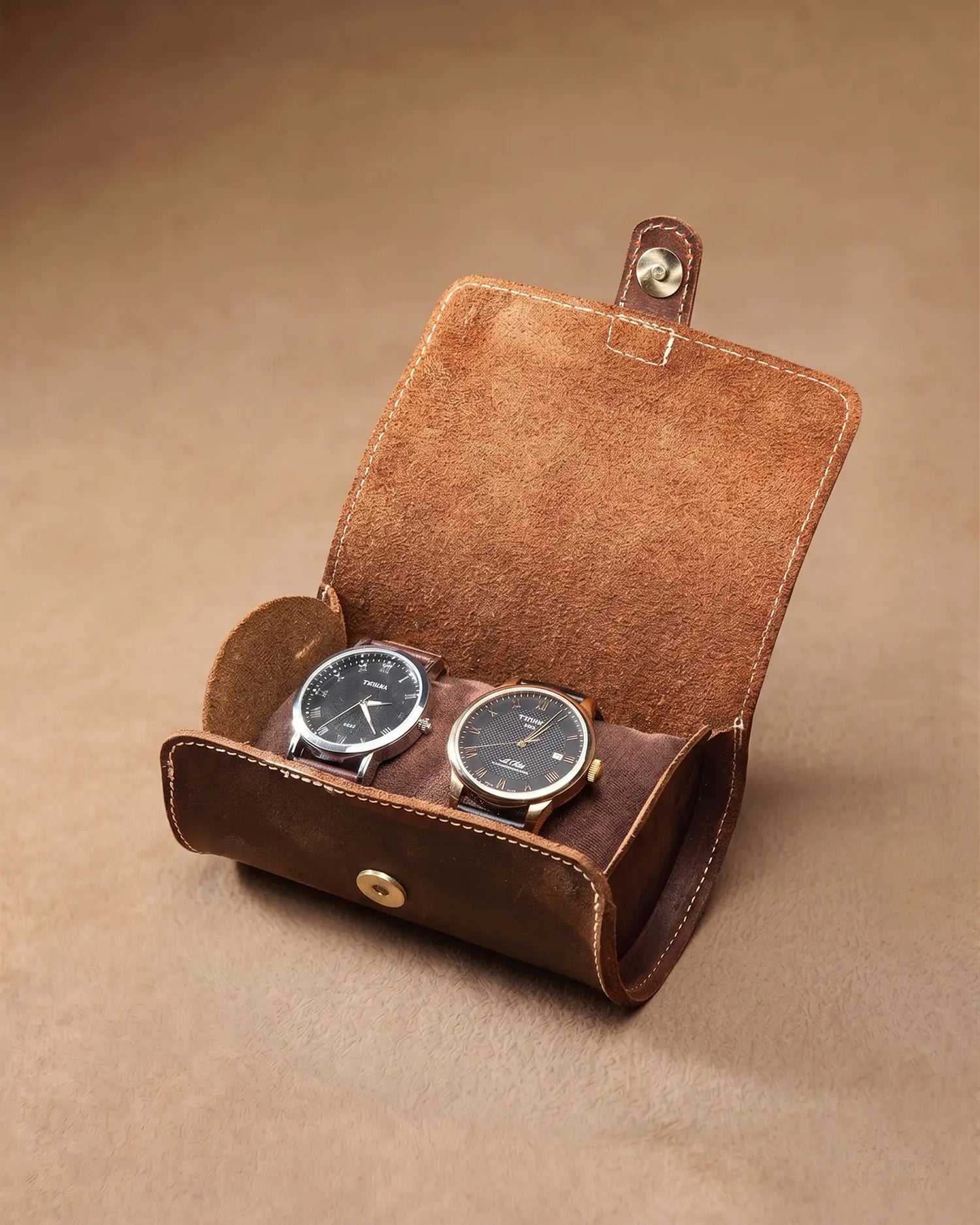
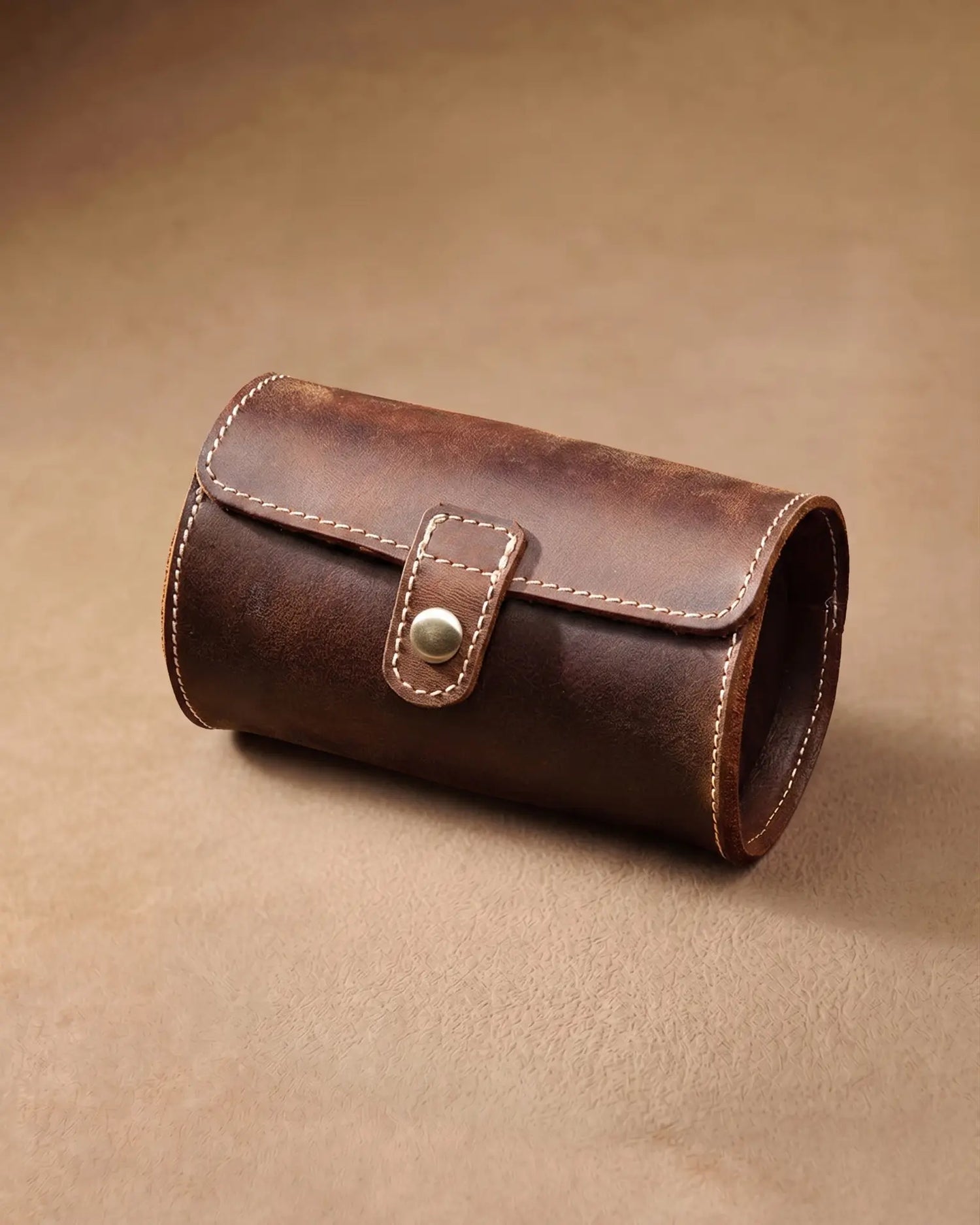
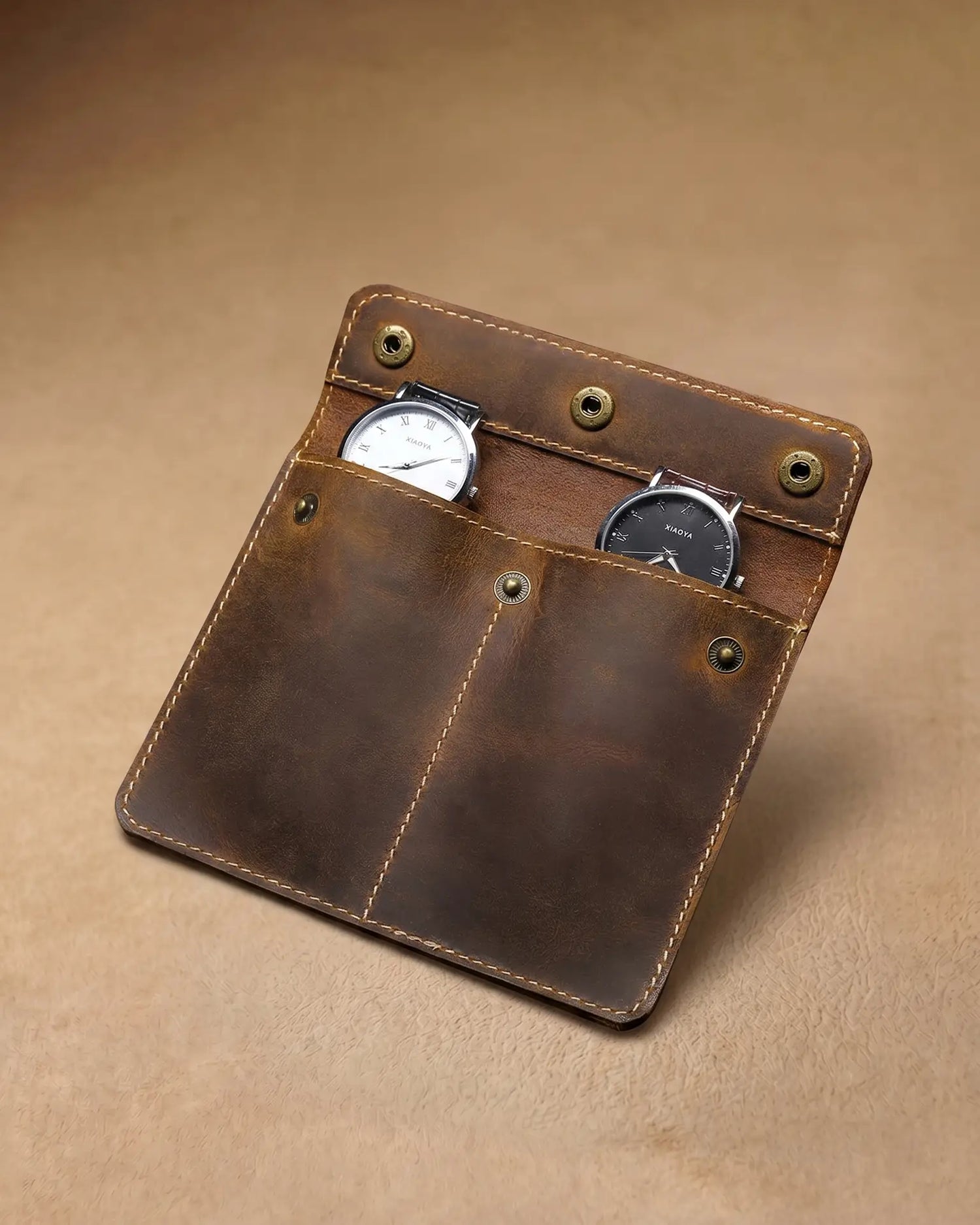
Journey Wrap 2本用レザーウォッチロール
More Leather Guides
Explore practical guides to choosing, using and caring for leather goods.

Custom Leather Bookmark Guide: Thickness, Engraving and Magnet Options

Magnetic Bookmark With Pen Holder: Who It Is For and How to Use It
